

Home / Shop
Tuned
jaw harps
Availability by note
A jaw harp is considered tuned if its fundamental frequency is within ±10 cents of a named note, using A = 440 Hz as the reference.
| Octave → Note ↓ | 0 | 1 | 2 | 3 |
|---|---|---|---|---|
| C | - | 0 | 13 | 1 |
| C# | - | 0 | 4 | 1 |
| D | - | 0 | 11 | 1 |
| D# | - | 0 | 7 | 0 |
| E | - | 1 | 12 | 1 |
| F | 0 | 2 | 10 | 0 |
| F# | 0 | 0 | 2 | 0 |
| G | 0 | 1 | 8 | 0 |
| G# | 0 | 2 | 0 | 0 |
| A | 0 | 5 | 7 | 0 |
| A# | 0 | 2 | 2 | 0 |
| B | 0 | 8 | 4 | 0 |
Sound pitch and notes in stock
The range shown in the charts describes the variation in fundamental frequency between individual instruments of a model, not the range of a single instrument. A wide range means that both lower- and higher-pitched examples may occur; a narrow range means their fundamental frequencies are similar.
Notes and Octaves
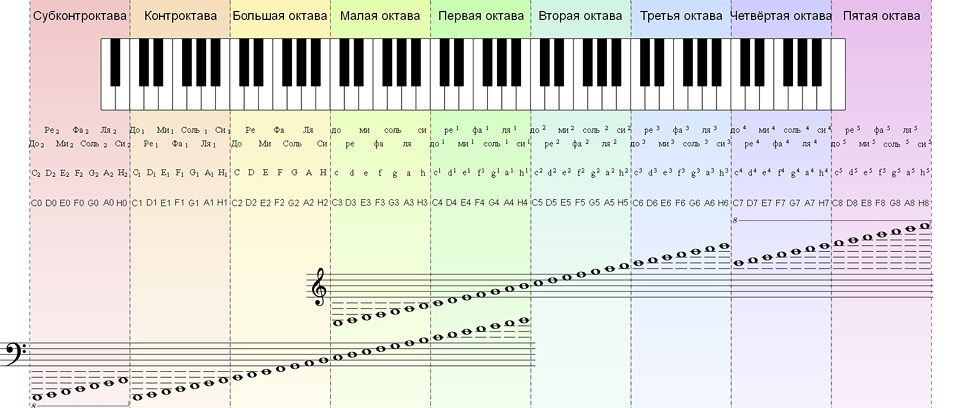
By Sergey Pushkin (Own work) GFDL