

Jaw Harp Lessons in St. Petersburg
We teach genuine musical playing—and how to get a deeper kind of enjoyment from the jaw harp.
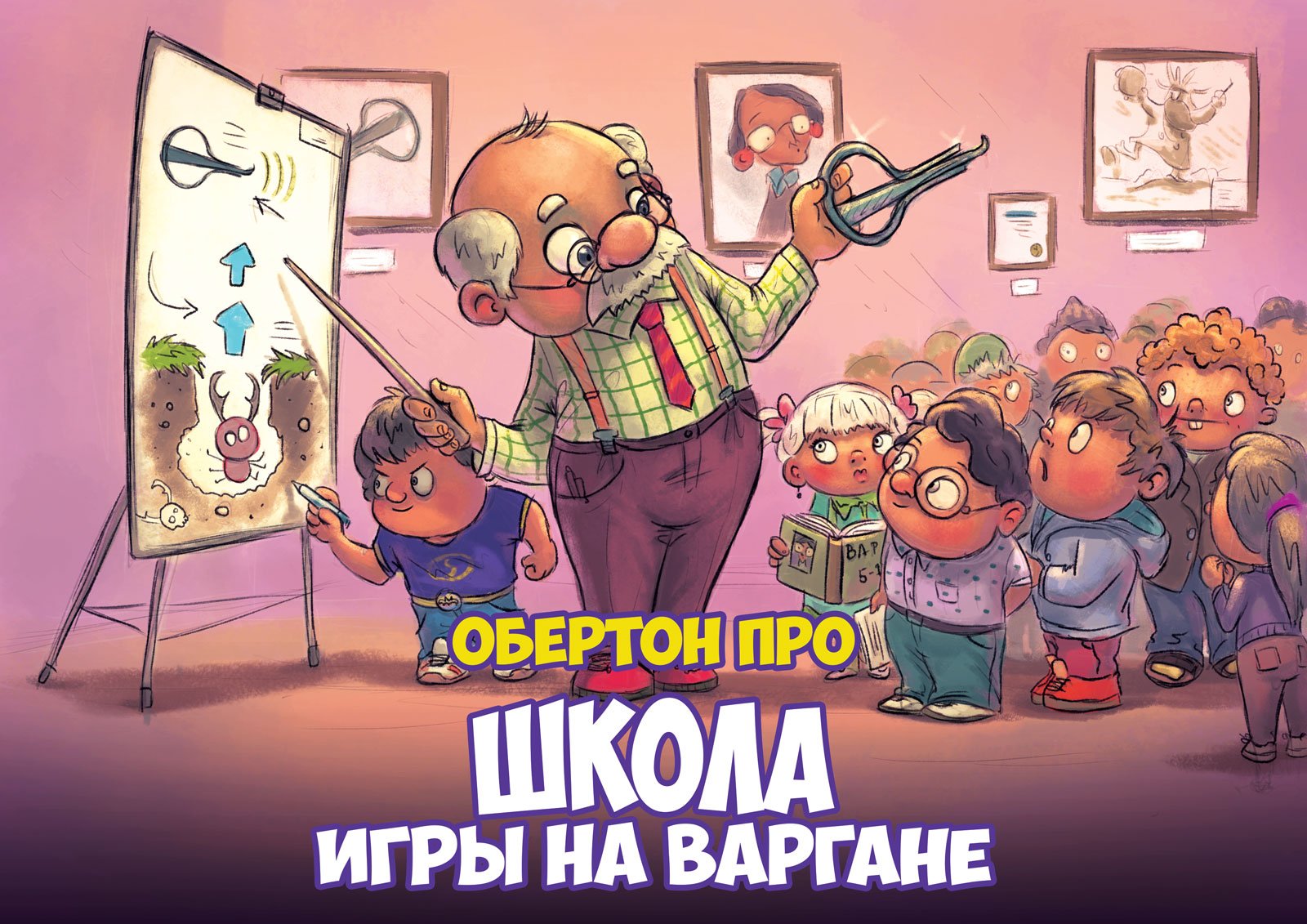
Learning formats
Individual lessons
Your first lesson is free: 60 minutes, once for a new student. No pass purchase is required.
This is the most effective learning format: one lesson each week plus at least an hour of independent work on the assigned exercises every day. It is a serious programme and produces results in proportion to the effort invested. If you cannot reserve time for regular practice, occasional single-topic lessons will be a better fit.
The duration depends on the desired level and the intensity of independent work. For a person with no musical background, the first year is needed to enter the system and understand what sustained music study involves; developing the skills into confident practical playing takes approximately another year. For practising musicians and people with music education, the programme can be shortened to jaw harp sound-production technique.
| Lesson / pass | Lessons | Price |
|---|---|---|
| First lesson | 1 | Free |
| Single lesson | 1 | 1 500 ₽ |
| 4-lesson pass | 4 | 5 600 ₽ |
| 16-lesson pass | 16 | 20 800 ₽ |
Your first lesson is free: 60 minutes, once for a new student. No pass purchase is required. Afterwards, pay per lesson or choose a pass.
Available time
Choose a date, then a one-to-one lesson or a topic. In person, St. Petersburg time.
Group lessons
Groups begin as soon as enough students have enrolled. Write to us for the current timetable and suggest a convenient time.
| Standard course | 1 year | 3,000 RUB/month |
| Express course | 3 months | 3,000 RUB/month |
| Single-topic lesson | 1–2 hours | from 1 000 ₽ |
The standard course is designed for people picking up a musical instrument for the first time. It combines the foundations of music adapted for jaw harp with sound-production technique. The group meets once a week for one hour; on the other days students work independently for at least one hour. The course lasts one year, after which students may continue in a higher-level group.
The programme includes
- Physics of jaw harp sound
- Acoustic properties and choosing an instrument
- Principles of holding the jaw harp and efficient grips
- Accurate, efficient striking and fingering
- Volume control and confident sound production
- Changing timbre through articulation
- Use of the tongue, throat, larynx and oral diaphragm
- Conscious isolation of harmonics, intonation and melody
- Use of spectrum analysers
- Harmonics, legato and staccato
- Changing the fundamental while playing
- Three methods of vibrato
- Controlling the decay curve
- Accents and expressive playing
- Breathing and articulation effects
- Understanding, feeling and creating a pulse
- Notation, reading music and using the wider experience of musical culture
- Beat, bar, metre and duration
- Pitch, key, mode and the natural harmonic series
- Musical dictation, dynamics and articulation marks
- Rhythm, rhythmic vocabulary and patterns
- Syncopation, ornaments and improvisation
- Playing with overtone and conventional instruments
- Recording and amplifying the jaw harp
The three-month express course eliminates the most common beginner mistakes and introduces the instrument's capabilities and the most essential techniques.
Single-topic lessons
Choose a topic and a suitable start time in the shared teacher calendar. You may attend topics in any order, allowing time to practise between lessons.
- Your first jaw harpBook a lesson
- Foundations of musical playingBook a lesson
- Rhythm for complete beginnersBook a lesson
- Foundations of music notationBook a lesson
- AccentsBook a lesson
- Technique: striking speedBook a lesson
- Technique: throat and larynxBook a lesson
- Technique: breathingBook a lesson
- Playing togetherBook a lesson
- Shuffle and swingBook a lesson
- Rhythm 1: beginningBook a lesson
- Rhythm 2: internal pulseBook a lesson
- Rhythm 3: sixteenth notes in practiceBook a lesson
- Rhythm 4: triplets in practiceBook a lesson
- Rhythm 5: precision, flexibility and improvisationBook a lesson
- Rhythm 6: recordingBook a lesson
If you would like another topic, write to us. Ideally, work through every topic: the more skills you have, the more interesting playing becomes. If you do not understand a title—or understand it but cannot yet use the technique freely—the lesson is relevant.
Age
The programme is designed for adults who can work methodically, complete exercises without continually postponing them, move through the inevitable “I can't do it” stages, and understand that skills emerge gradually through months and years of regular practice.
Teachers
Most lessons are taught by Oleg Rodnin. In more than twenty years with the jaw harp he has played tens of thousands of instruments, observed virtually every approach to using them, watched players develop—or fail to develop—and encountered the same mistakes many times. He began teaching music-oriented jaw harp lessons in 2012 and by 2015 had formed a distinctive programme based on general music theory. He also plays drum kit, percussion and kalimba.
Other teachers may be invited for individual subjects in long-term programmes.
Contact
For all questions, write to play@oberton.pro.
P.S.
Anyone visiting Oberton Pro to meet the jaw harp can expect a member of staff to explain the essentials immediately: how to hold the instrument, strike it and control the sound—and then check that each action is performed correctly. We strongly recommend using professional experience to establish good technique from the first sound. People quickly become accustomed to the first method they discover, and relearning is much harder; unfortunately, that first accidental method is seldom the most convenient one.