
 lowhigh
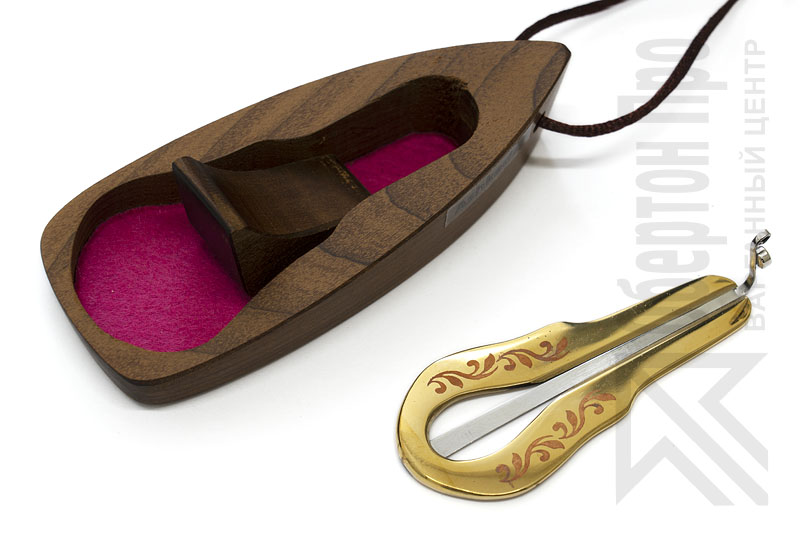
DR1447
“The jaw harp is a way of making the complex from the simple.”
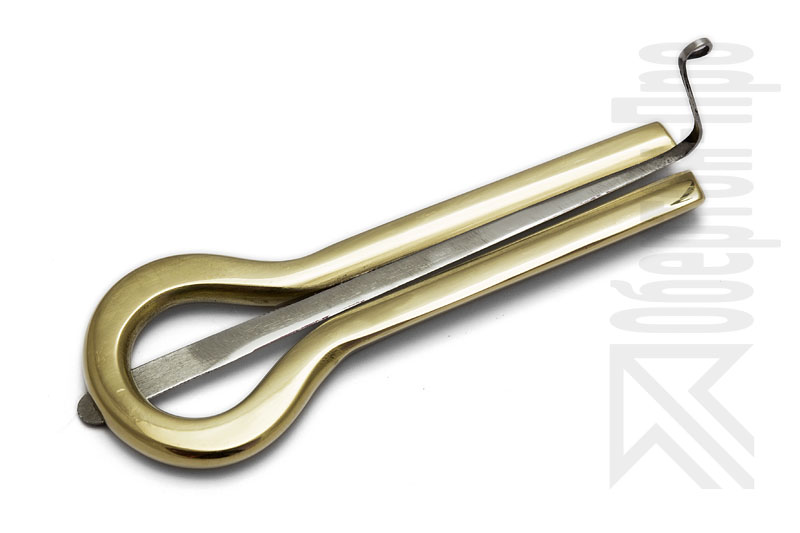
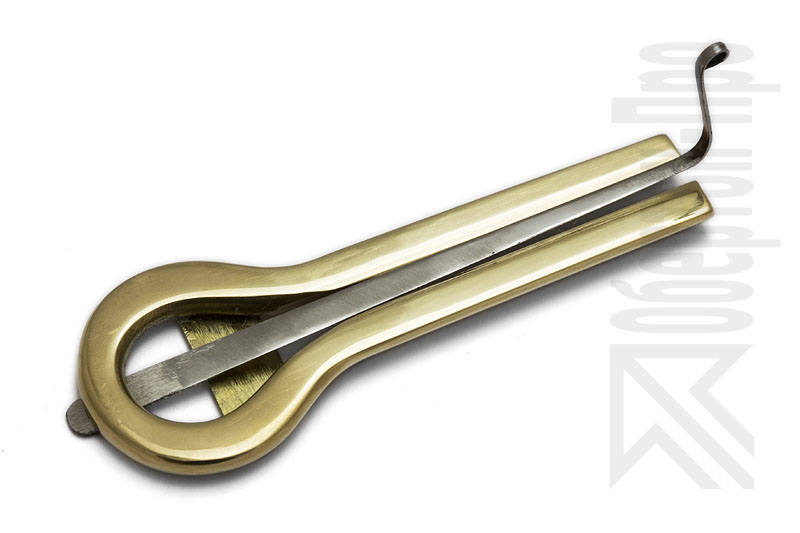
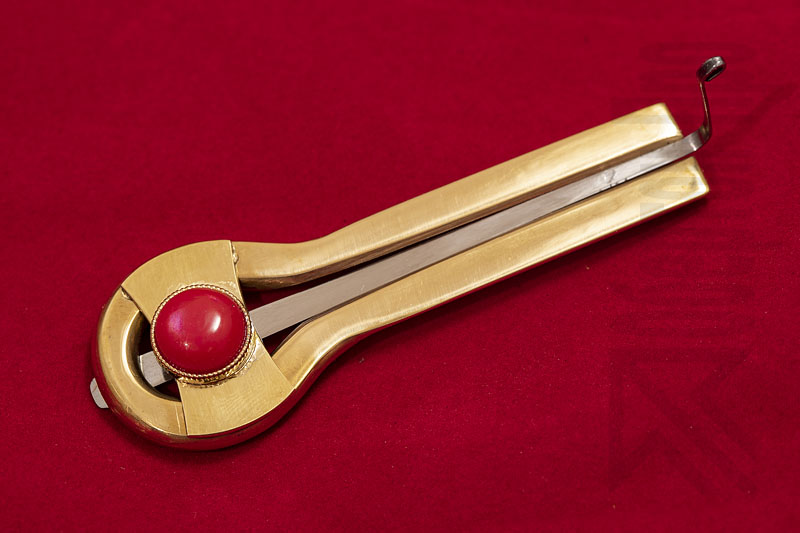
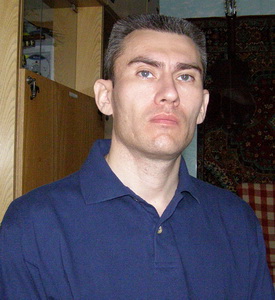 David Avelevich Rakhimgulov began making musical instruments around 2002 after being dismissed from a state-owned enterprise because of his beliefs. He sought to live by the principles set out in the Bible, including observance of the Sabbath. Beginning with the pan flute, he mastered two dozen instruments within a year, including the kubyz.
His first jaw harps were largely occasional experiments, but four years later Rakhimgulov achieved a level of sound that satisfied him and began making them regularly, improving their characteristics while making the production process easier and cleaner. David considers the principal qualities of his instruments to be ease of play and “high efficiency: a full sound with many shades and overtones”. He also performs in concerts, using instruments he makes himself—the pan flute, kurai, svirel, tin whistle, kalyuka, duduk and zhaleika—as well as the harmonica, djembe, darbuka and guitar.
By 2015, Rakhimgulov had changed the cross-section of the frame arms and begun sharpening the reeds, giving his kubyzes a sound distinct from that of his early instruments. He continues to make and refine his instruments.
To those who play instruments—“strange people who do not drink beer or fill stadiums”—David offers this wish: do not be ashamed to be “strange” among the “normal majority”, and continue discovering the harmony of the universe in sound, colour and word.
The answers were recorded in October 2012.
When and how did you first learn about the jaw harp, or begin playing it?
I have been making musical instruments for about ten years. My first instrument was a pan flute. About four years later I began experimenting with the kubyz. It did not work at first, so I set it aside for a while; the same thing happened several more times. Then I understood the essence of how to make a good-sounding jaw harp and began making them regularly, always trying to improve them. I have been making the kubyz in its present form for about a year.
Do you play any other instruments?
Yes, I play all the instruments I have made: the pan flute, kurai, svirel, tin whistle, kalyuka, duduk and zhaleika. I also play instruments I have bought: the harmonica, djembe, darbuka and guitar.
What does the jaw harp mean to you?
It is a way of making the complex from the simple.
How many jaw harps do you keep for your own use?
About five, as well as a jaw-harp installation made up of three instruments.
Do you play often, either for pleasure or while making instruments?
I have performed in concerts using all my instruments, including the kubyz.
When and why did you begin making instruments?
I was dismissed from a state-owned enterprise because of my beliefs: I try to live by the principles set out in the Bible, including observance of the Sabbath. I did not go looking for another place to work, that is, to sell myself into slavery, but trusted that God would help me live freely. That is what happened, despite my enemies’ predictions and curses. In a little over a year, I had a list of twenty kinds of instruments, including the kubyz.
Can you identify any stages in the development of your instruments’ construction?
The stages were as follows: at first the work was heavier, noisier, dustier and dirtier; with every subsequent stage it became a little easier and more efficient.
What qualities should the ideal jaw harp have? What is most important in a jaw harp?
I do not have an ideal jaw harp; I have a good one. In general, it is good to have different jaw harps with different timbres. I consider the principal advantages of my jaw harp to be ease of playing—which is important for children and women—and high efficiency: a full sound with many shades and overtones.
At present, which parts of your instruments’ construction seem final, and what would you still like to improve or change?
In this question, the word “seem” is the key. When my vision grows sharper, I notice things I did not notice before. Perhaps I will notice and understand something else; then there will probably be some changes.
Are jaw harps your main occupation?
At times they are my only source of income, a form of occasional earnings.
Have you worked with metal for a long time?
Before this, I made small brass cymbals for tambourines and frame drums.
What else are you interested in?
In general, I try not to become absorbed in anything. Everything I do is usually a necessity.
Do you listen to music? If so, what kind?
At different periods of my life I listen to different music, except heavy metal, punk and similar styles.
Do you know many jaw-harp players? Do you have close friends or relatives who are deeply interested in the instrument?
I have acquaintances through the jaw harp. One of them is the well-known kubyz player Mindigafur Mindiakhmetovich Zaynetdinov.
Do you have any recommendations, advice or wishes for owners of your instruments, jaw-harp players in general or other makers?
Those who play instruments are “strange people,” a minority; the majority drink beer and fill stadiums. My wish is that they should not be ashamed to be “strange” among the “normal majority,” and should continue discovering the harmony of the universe in sound, colour and word.
If you work with anyone else, how are the roles divided?
I have an assistant.
You can thank maker or musician just pressing the "Thanks" button or writing in special topic in forum. All messages will be delivered to addressee
lowhighDR1447
 lowhigh
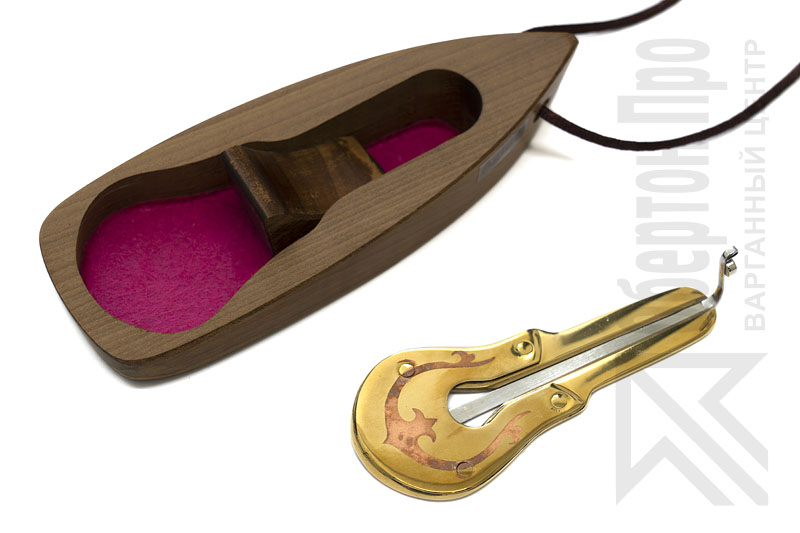
DR1462
 lowhigh
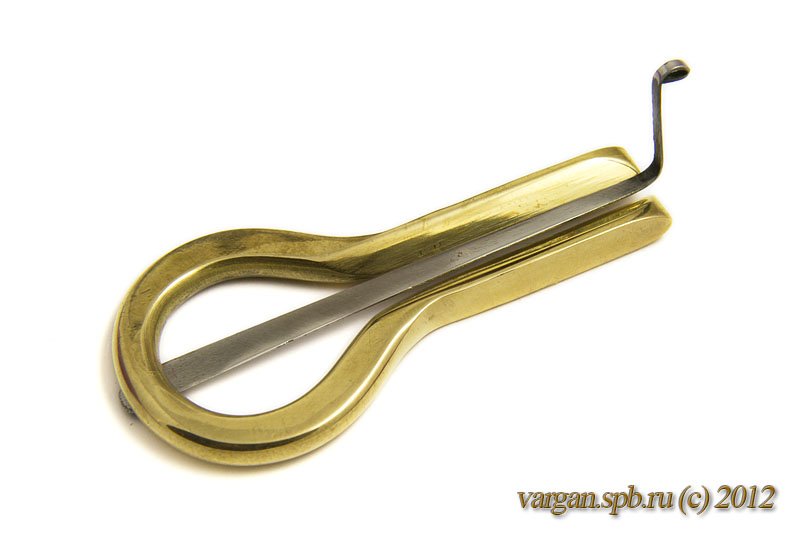
581
 lowhigh
DR778
 lowhigh
DR779
 lowhigh
DR1218