
 lowhigh
DB1200
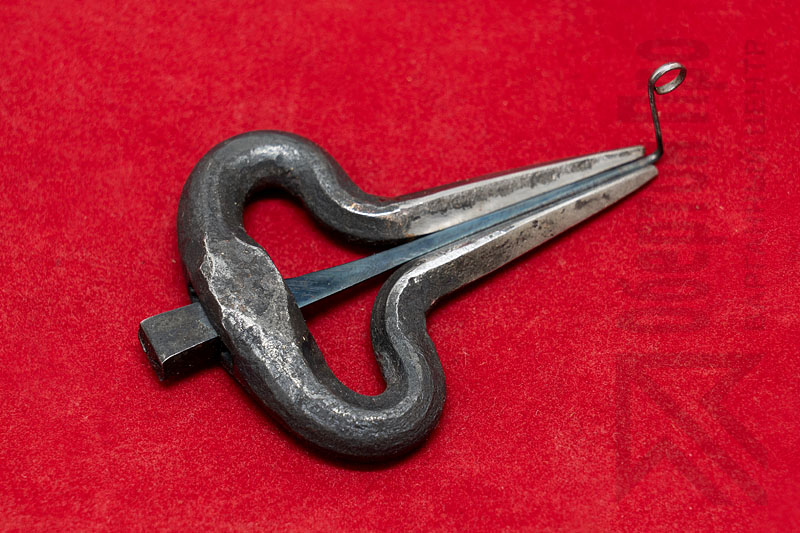
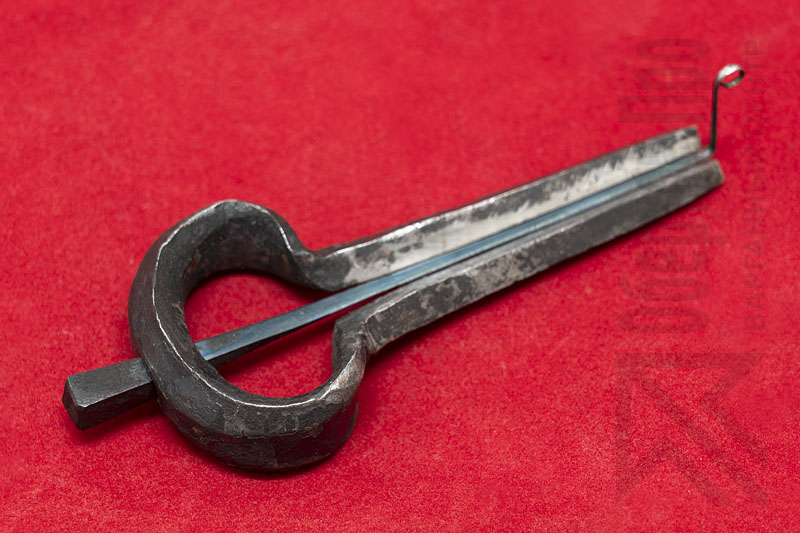
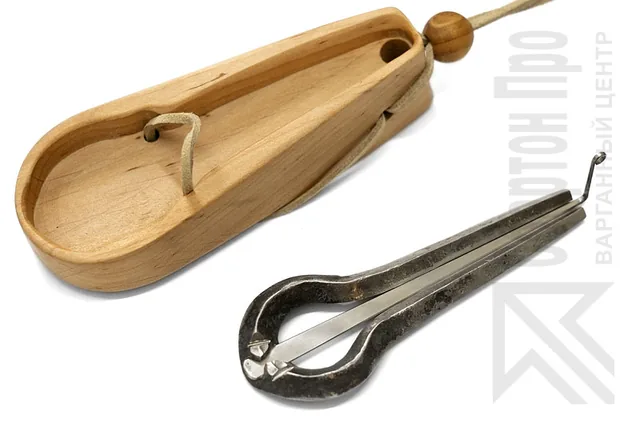
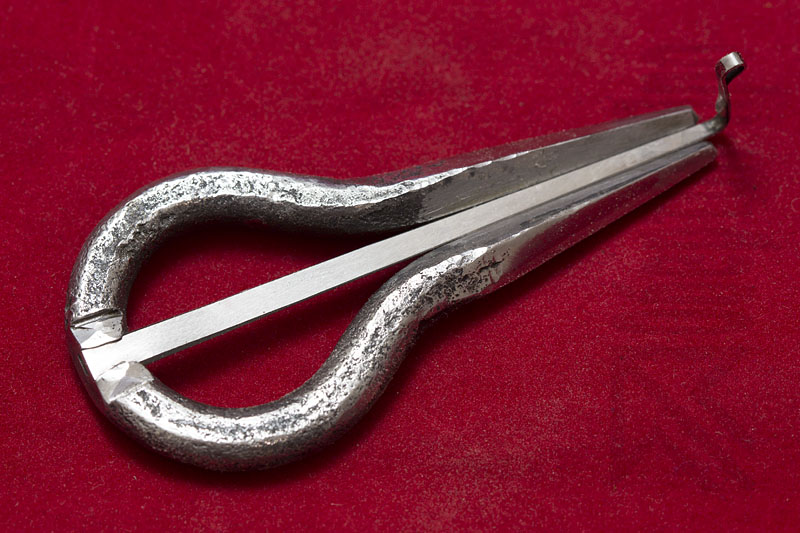
Dmitry Babaev is a jaw harp maker from Barnaul who works in Saint Petersburg. At the 2016 Moscow competition for makers of bow-shaped jaw harps, one of his instruments received the highest overall score among all 82 entries—8.895 points. Babaev also took third place in the upper-register category.
The maker’s account is reproduced in full. Words such as “recently” and “now”, along with other relative references to time, relate to the period when it was written.
I became acquainted with the jaw harp in June 2002. It was not my first encounter: sometime around 1999, I had seen a jaw harp while travelling in Altai, and I really liked the thing. It would be good for passing the time, I thought, but I did not decide to buy one until three years later. I should say that jaw harps were rare then, and there were very few places in Altai where one could be bought. I knew of only one—a little souvenir market beside the Chuya Highway at the mouth of the Arzhan-Suu stream. That was where I acquired my first jaw harp, a komus by Vladimir Potkin, one of the old models that, I think, were made until about 2000.
I learned to play it immediately, although people had warned me that it would be difficult. There was nothing difficult about it: I produced a sound on the first strike, and away it went—or rather, it took flight!!! On the very first day, I drove EVERYONE at the tourist camp mad. I did not stop for a minute and did not even come to dinner. I played day and night; even when we travelled through the mountains in a PAZ bus, I played all the way to Barnaul!
I played a great deal and carried that jaw harp with me constantly, wherever I went. Before long, I made a lidded case for it so that the instrument would always remain clean and safe. Unfortunately, neither the jaw harp nor the case has survived. It was around that time that I became acquainted with the music of Bolot Bairyshev and Nogon Shumarov. I copied many of their tunes and listened to them extensively.
Incidentally, I learned about Shumarov from the instructional film “The Altai Komus: A First Introduction”. Vladimir Potkin spoke about his komus in the film, while Nogon Shumarov demonstrated different playing techniques. It was there that I saw Shumarov with a large komus—a bass instrument, as he called it. The sound of my brass friend immediately faded by comparison with this giant. I knew nothing about Yakut khomuses, Hungarian dorombs or Russian jaw harps, and there were far fewer makers at the time. I did not have internet access of my own either, and instruments like that were not sold in Altai. I therefore decided to make a komus myself. This was in 2003.
I could not find any practical information in libraries, so I simply began doing whatever came to mind. My first idea was to cut the jaw-harp frame out of sheet steel. A suitable piece of four-millimetre sheet happened to be lying in the shed. I had never worked with metal and did not know how to process such material, so it took me a VEEERY long time: the jaw harp was completed in early 2004.
I made the reed from a steel ruler. All I can say about that is this: do not ruin a ruler, because it is more useful when left intact than when cut into jaw-harp reeds. The steel is too flimsy and not elastic enough. The sound was pleasant but very quiet, and I soon gave the komus away.
In the spring of 2004, I learned about the forging of Yakut khomuses—an Altai man told me about it—and decided to make forged jaw harps, because I thought they were better. At about the same time, I came across a genuine Yakut khomus, a khomus by Burtsev, whose reed was attached at three or four points. This substantially changed my understanding of the sound and construction of jaw harps.
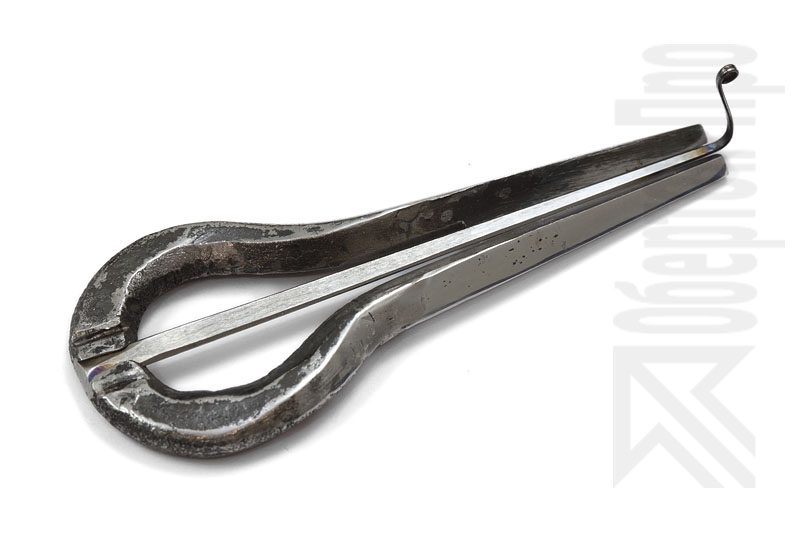
I began experimenting with forging, heating a steel rod in the stove of my great-grandfather’s house. The results of these experiments were large—more than ten centimetres long—massive forged jaw harps. They resembled Yakut instruments in appearance, except that my frames were larger and thicker. None of these jaw harps has survived. I gave the last one to a friend in Moscow in 2007, but according to him, he lost the gift a month later.
From 2004 to 2006, I worked on jaw harps together with my friend Alexander Antonenko. We remain in contact. He also makes jaw harps, though not very often, although he intends to make more of them in the near future. At the end of 2007, after enrolling at a music college, I stopped working on jaw harps and gave away all my instruments. I kept only a Potkin komus given to me by a relative. According to her, it had belonged to Nogon Shumarov, whom she had known.
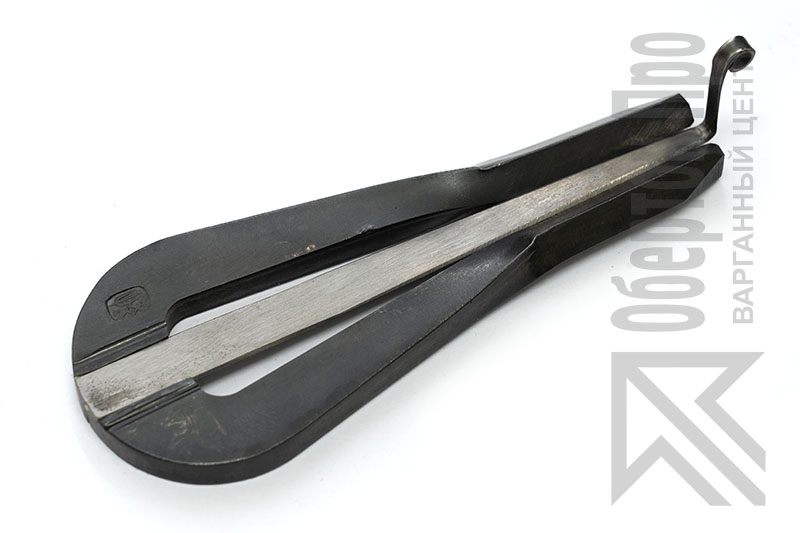
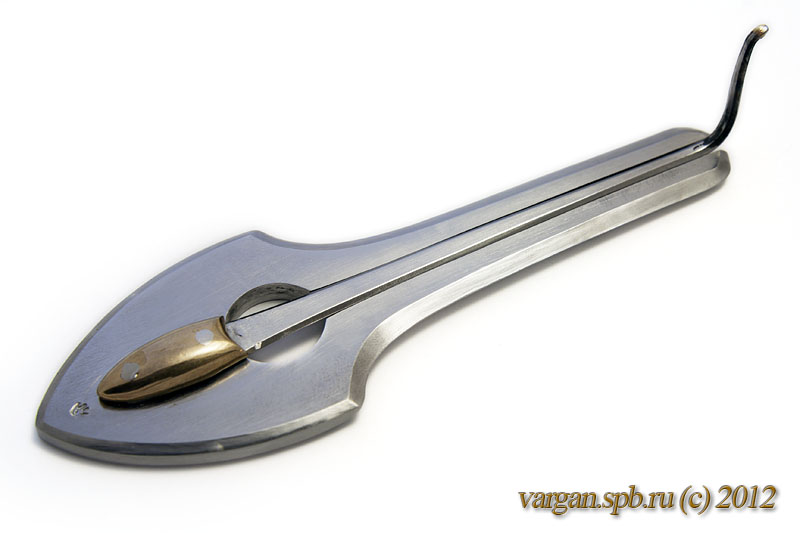
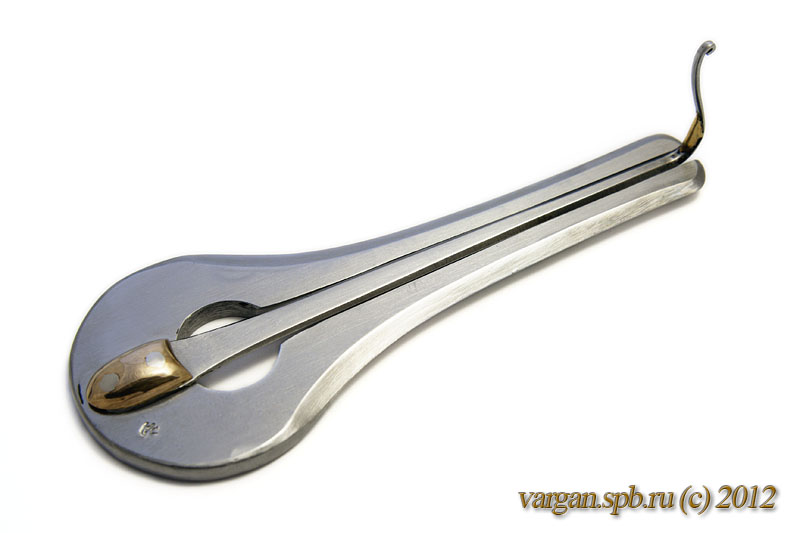
A new stage in my jaw-harp life began in 2010, when I met Nikolai Sobolev and acquired a khomus by Innokenty Gotovtsev. Six years later, I once again saw a familiar construction: Gotovtsev’s khomus was made in the same way as my first jaw harp, cut from sheet steel. The difference was that its reed was attached by resistance welding, while the jaws of the instrument—what Vladimir Potkin, with his light touch, called the decks, though correct me if I am wrong—were constructed somewhat differently. I had sawn into the blank from both sides, whereas Innokenty Nikitich did so from only one.
This revolutionised my understanding of jaw-harp construction. It was this design that I adopted as my basis, especially since it did not require building a forge! I immediately encountered another problem, however: I had no milling machine, which was what Gotovtsev used to cut the groove for the reed. We devised an economical alternative—cutting the groove on an electric bench grinder and then finishing it with a rotary tool.
In the autumn of that same year, 2010, I devised several ways of bending the ring of the jaw-harp frame and made several bent-and-forged instruments. These experiments absorbed me so completely that I left music college and plunged headlong into studying the sound of the jaw harp.
I recently moved to Saint Petersburg to study blacksmithing. I had to leave my workshop in Altai, which has somewhat limited my opportunities, mainly in terms of quantity: it is difficult to make many jaw harps in a rented flat, but that is only a matter of time. I am now working on making my labour more efficient, which will allow me to reduce the price of the instruments. I am also developing different models.
What does the jaw harp mean to you?
For me, it is something I love doing. It is also simply a piece of iron that makes no sound without a person.
What qualities should an ideal jaw harp possess? What do you consider the most important thing about a jaw harp?
That is a good question, but the answer is simple: harmony. Everything about a jaw harp should work together, and the person playing it should find the experience pleasant and joyful.
Do you play any other instruments?
Yes, I play double bass, guitar, mandolin and all sorts of percussion instruments, among which the Indian tabla particularly stands out. I also play the didgeridoo—and I make didges too))
What else are you interested in?
I am interested in many things, too many to list. They are all united by one thing: self-knowledge.
Do you have any recommendations, advice or wishes for the owners of your instruments, jaw-harp players in general or other makers?
Let us all live in harmony!
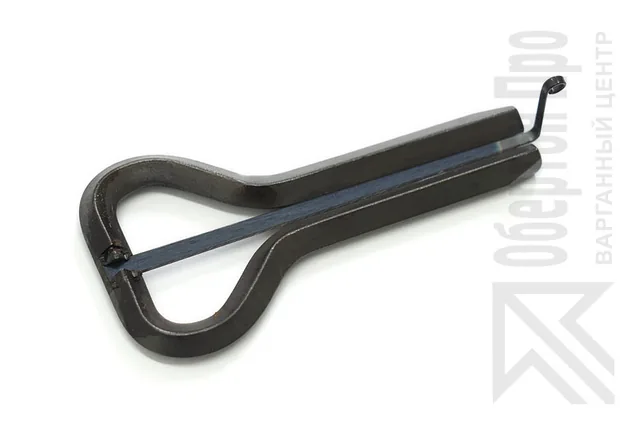
Archived catalogue entries document a broad range of Babaev’s work, from large instruments in the middle and low registers to bass and high-pitched melodic jaw harps. In his later work, the maker narrowed the gaps and achieved more clearly defined harmonic overtones.
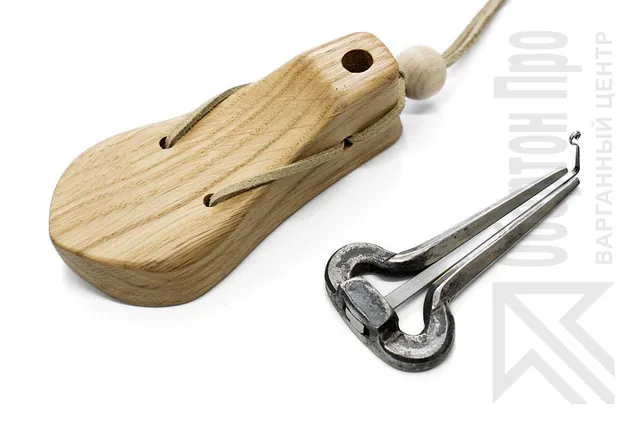
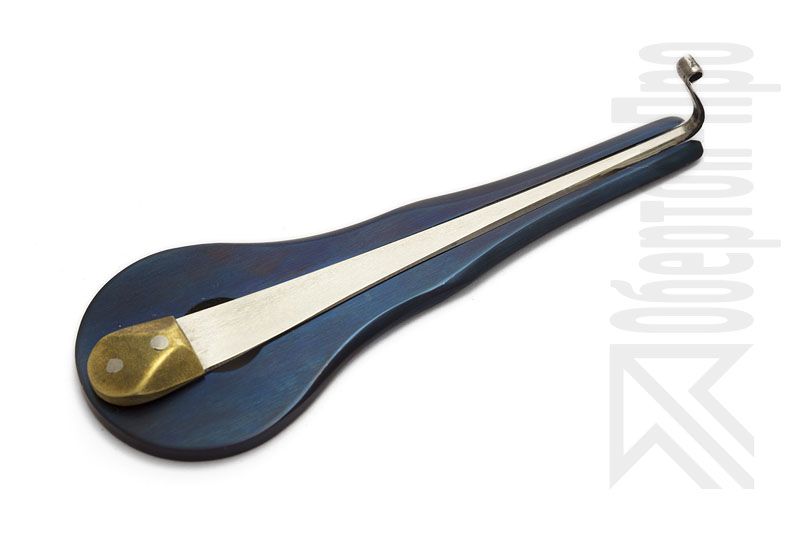
Jaw harps inspired by archaeological finds became a separate direction in his work. The frame of the “Kulya” represented in the catalogue is designed in the style of thirteenth-century instruments found in Veliky Novgorod.
Based on materials from Oberton Pro and Yakutia.Info.
You can thank a maker or musician by pressing the “Thanks” button or posting in the dedicated forum topic. All messages will be forwarded to the recipient.
lowhighDB1200
 lowhigh
 lowhigh
DB1355
 lowhigh
DB1401
 lowhigh
DB1530
 lowhigh
DB1531
 lowhigh
DB1533
 lowhigh
 lowhigh
DB900
 lowhigh
DB594
 lowhigh
DB860