

398
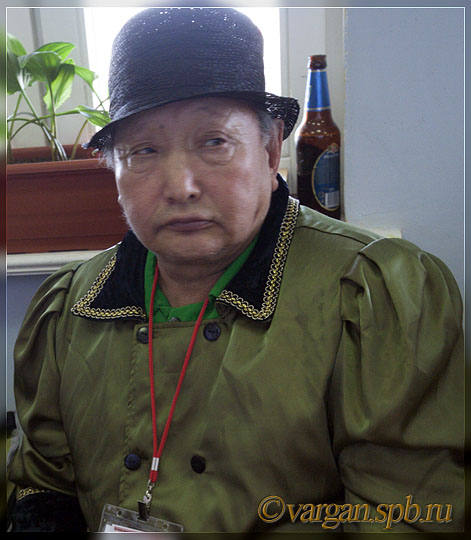
Zakhar Kharitonovich Ellyasin (1946–2014) was a maker of Yakut khomuses from the village of Kyiy in Tattinsky District. He became interested in making khomuses in 1993 after encountering an instrument by folk craftsman A. I. Chakhov. That same year, Ellyasin took part in an exhibition marking the centenary of Platon Oyunsky. He later regularly presented his works at regional exhibitions and festivals, conducted masterclasses and trained other makers. In 2009, he was awarded the title of Folk Craftsman.
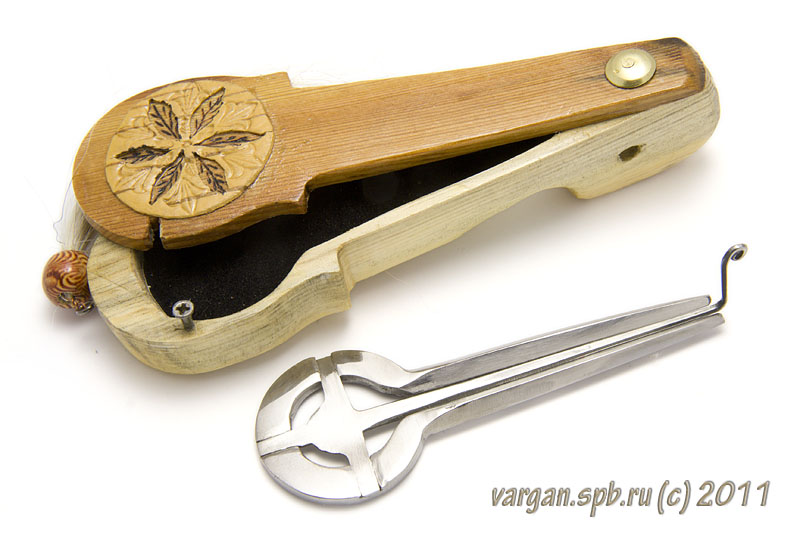
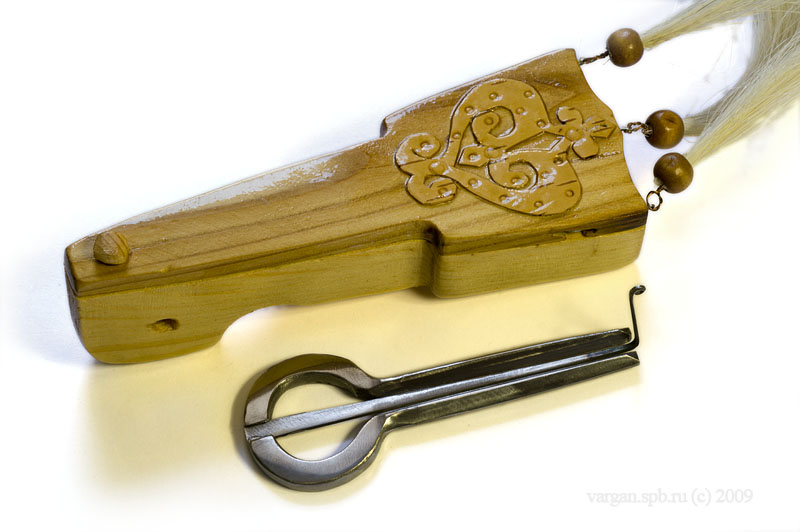
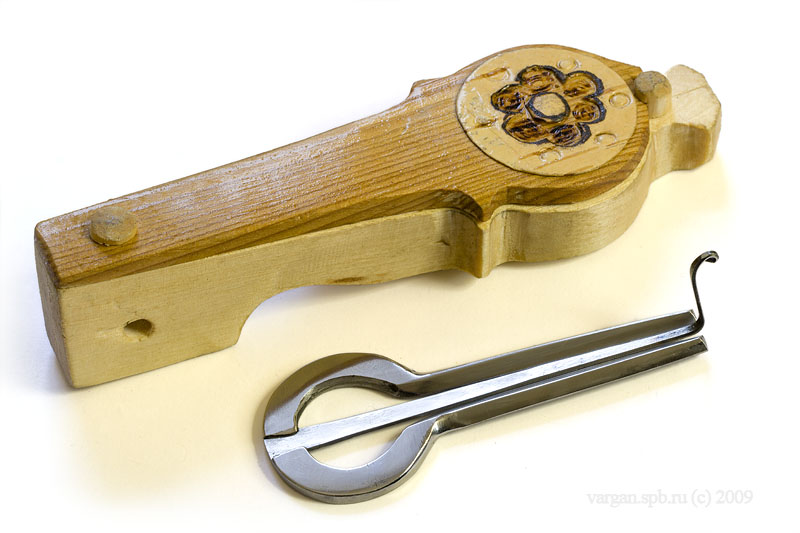
The Museum and Center of the Khomus of the Peoples of the World holds nine khomuses and two cases made by Ellyasin; the earliest of these instruments entered its collection in 1995. His khomuses are characterised by wide gaps between the reed and the frame arms, a smooth, muted sound and a limited dynamic range accompanied by a variety of tonal shades. Some were designed to be played with a firm traditional Yakut grip and have rigid reeds that respond consistently to different strokes.
You can thank a maker or musician by pressing the “Thanks” button or posting in the dedicated forum topic. All messages will be forwarded to the recipient.
398
 lowhigh
213
 lowhigh