
 lowhigh
Mikhail Sysjuk
Mikhail Semyonovich Sysjuk is a jaw harp maker from the settlement of Darasun in Transbaikal Territory. In 2013, he represented Transbaikalia at an interregional exhibition and competition in Tomsk, held as part of the “Together We Are Russia” festival. Sysjuk presented a jaw harp and two folk flutes of his own making and received a Second-Degree Diploma in the “National Musical Instruments” category.
At the same exhibition, Sysjuk met Roman Gotovtsev, whose work he had previously known only from photographs. Gotovtsev took an interest in the flutes made by Sysjuk, and the two makers exchanged instruments: Sysjuk gave him a small metal fipple flute and received a Yakut khomus in return.
By January 2015, Sysjuk had already been making jaw harps for several years. One of the early examples represented in the catalogue was compact and easy to play, with a warm, muted sound, but had gaps of about 150 μm. Throughout 2015, Sysjuk progressively narrowed the gaps, stiffened the frame and developed lower-pitched instruments. By the end of the year, he had adopted an S-shaped reed with a shortened knee in an effort to reduce mechanical noise, while adjusting the proportions of the reed and frame separately for different registers.
By 2022, Sysjuk had once again substantially redesigned both the construction and the manufacturing process. The frames became stiffer and the gaps narrower, while the maker began using reed blanks with different properties and proportions for different models. Most instruments retained compact reeds approximately 60–72 mm long; lower-pitched versions with reeds of about 80 mm appeared later. Even in serial production, Sysjuk continues to finish each example individually.
The current range is named primarily after geographical features of Transbaikalia. The series from “Darasun-1” to “Darasun-4” spans the middle and low registers; these are easy-to-play instruments with a lively sound and gaps of 20–40 μm. “Chikoy” has an especially rigid frame and is well suited to learning different playing techniques. “Ingoda” is a bass jaw harp with an even sound and clearly distinguishable harmonic overtones.
You can thank maker or musician just pressing the "Thanks" button or writing in special topic in forum. All messages will be delivered to addressee
14
Works in the catalogue 6
lowhigh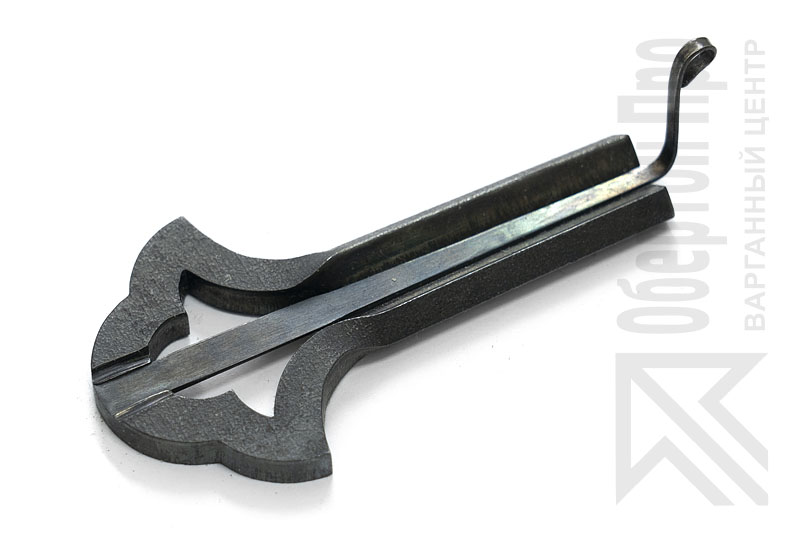 lowhigh
1301
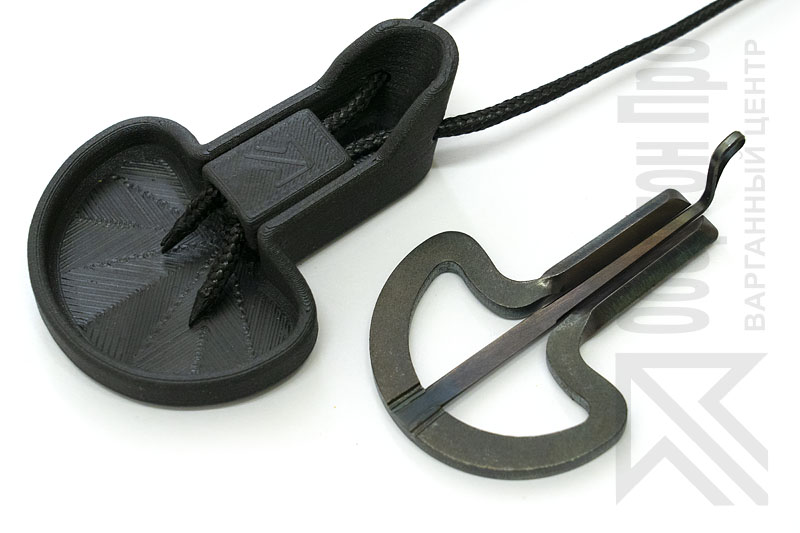
"Darasun-1" jews harp
38,36 USDFriendly jews harp with lively sound, very easy to handle and controlled.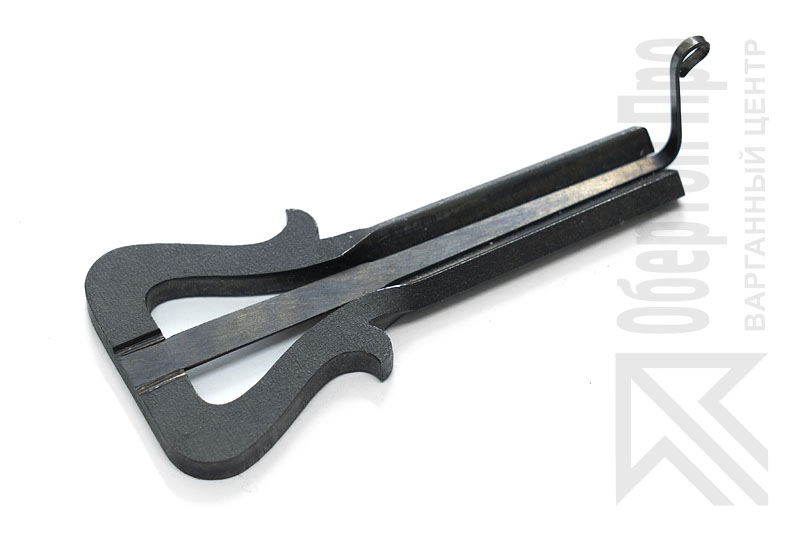 lowhigh
1304
"Darasun-4" jews harp
46,58 USDFriendly jews harp with lively sound, very easy to handle and controlled.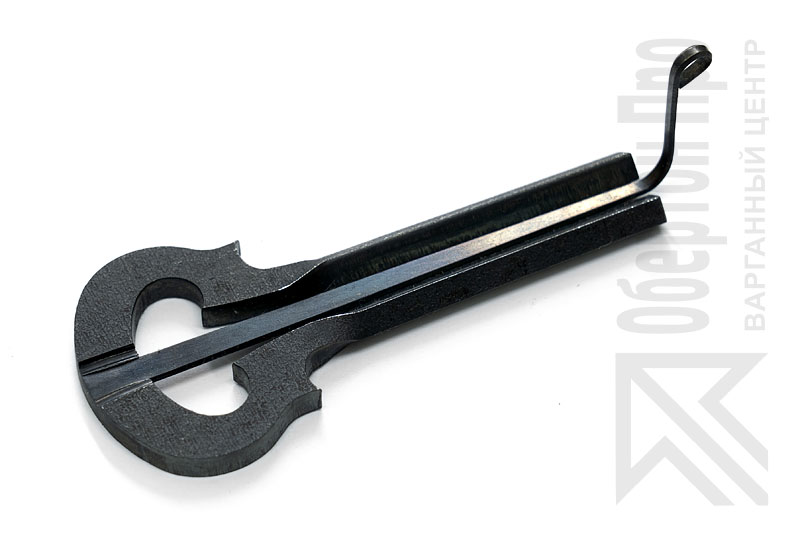 lowhigh
1303
"Darasun-3" jews harp
46,58 USDFriendly jews harp with lively sound, very easy to handle and controlled.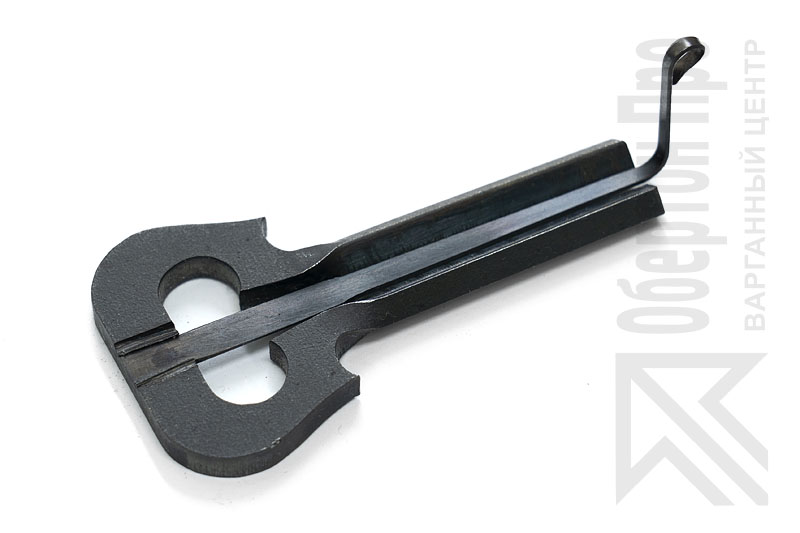 lowhigh
1302
"Darasun-2" jews harp
43,84 USDFriendly jews harp with lively sound, very easy to handle and controlled.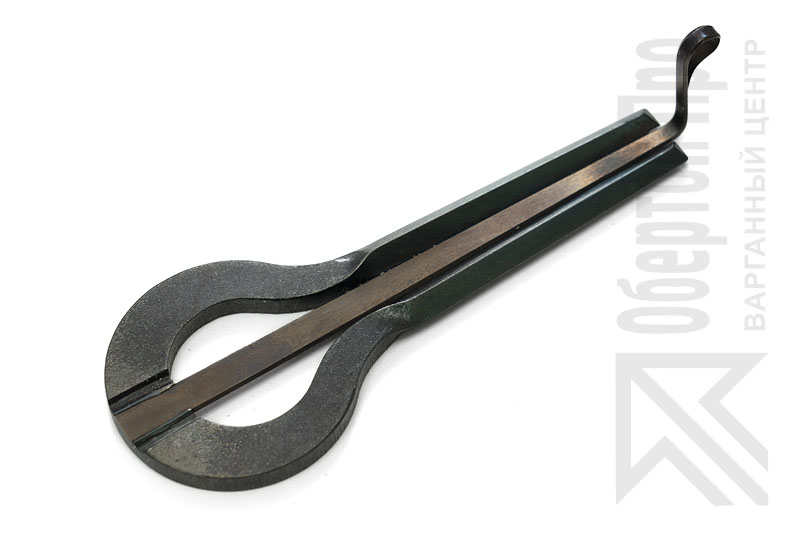 lowhigh
1375
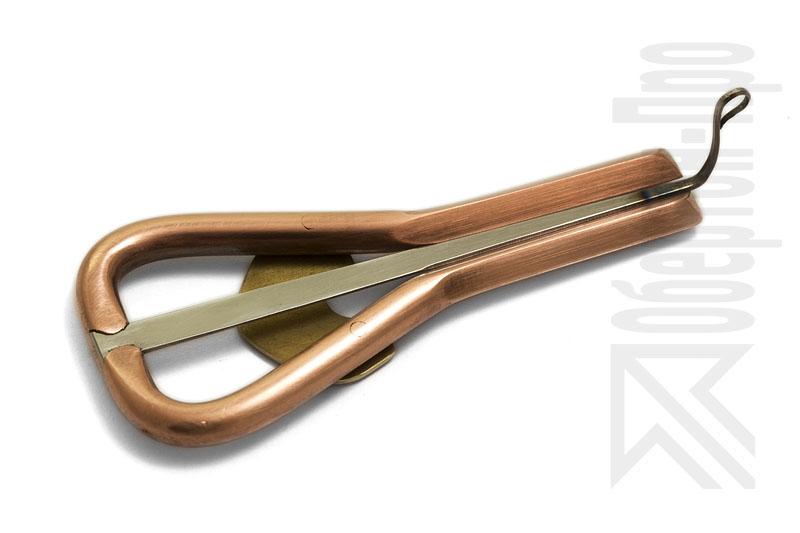
"Ingoda" Vargan
82,19 USDBass Vargan with a neat, even sound and well listening to harmonic overtones.Simple, flexible, pleasant; The…Archived models5
 lowhigh
923
Sisyk's "Delta C" Vargan
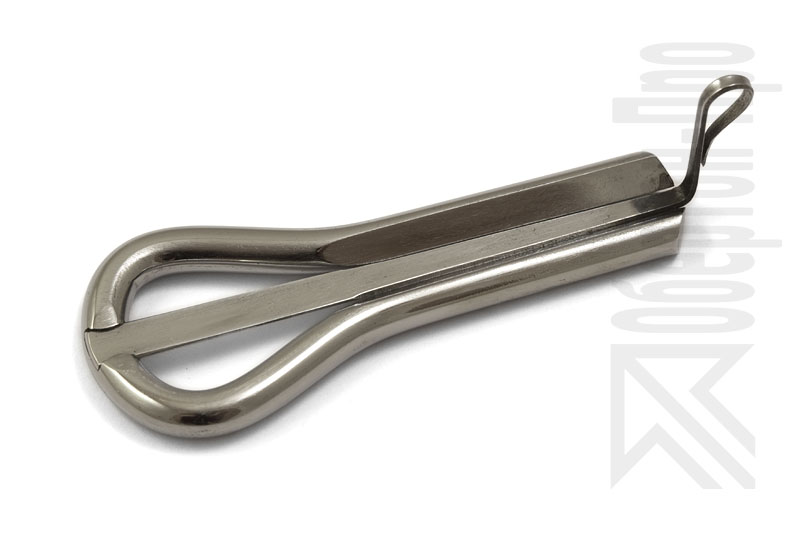
Archived modeljaw harp with a soft, light reed and a smooth, harmonious timbre.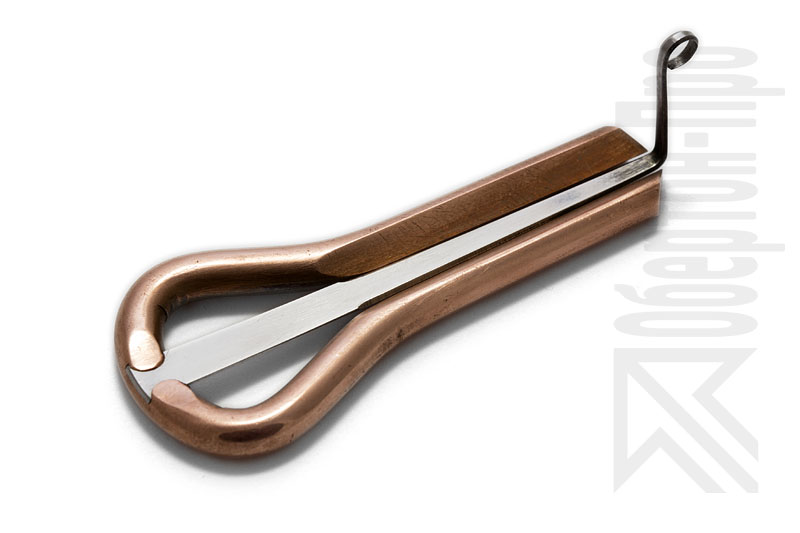 lowhigh
MS957
"Spark C" Vargan
Archived modeljaw harp with a moderately soft reed and a smooth, harmonious timbre is a reduced version of "Delta" with a…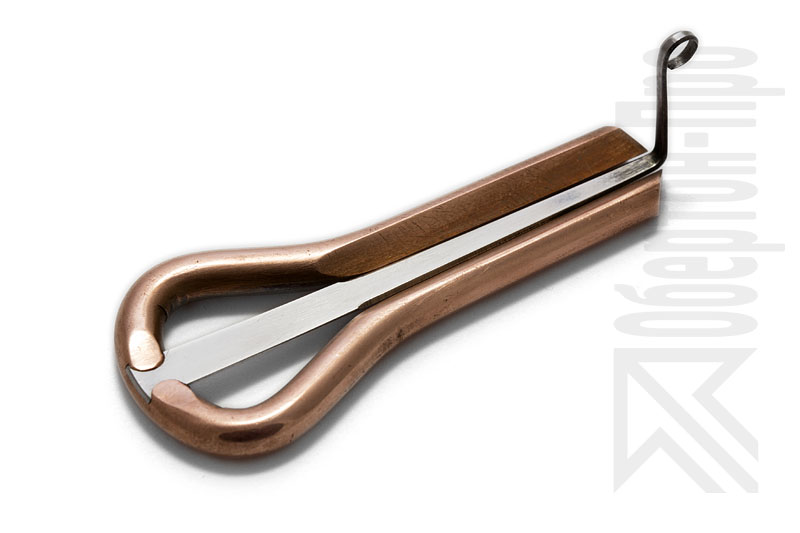 lowhigh
 lowhigh
MS922
"Spark" Vargan
Archived modelVargan with a moderately soft tongue and a smooth, harmonious timbre is a reduced version of the "Delta" with…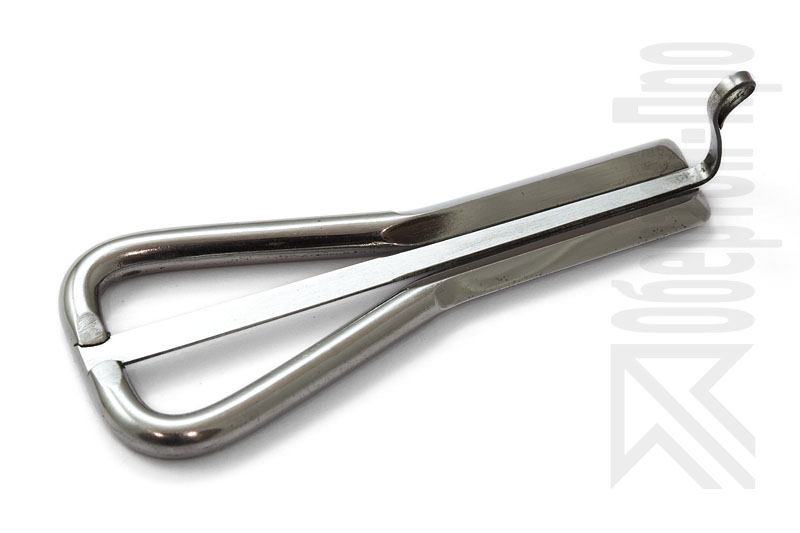 lowhigh