


Hungarian Dorombs · ZS96
"Stony Tunguska" Doromb
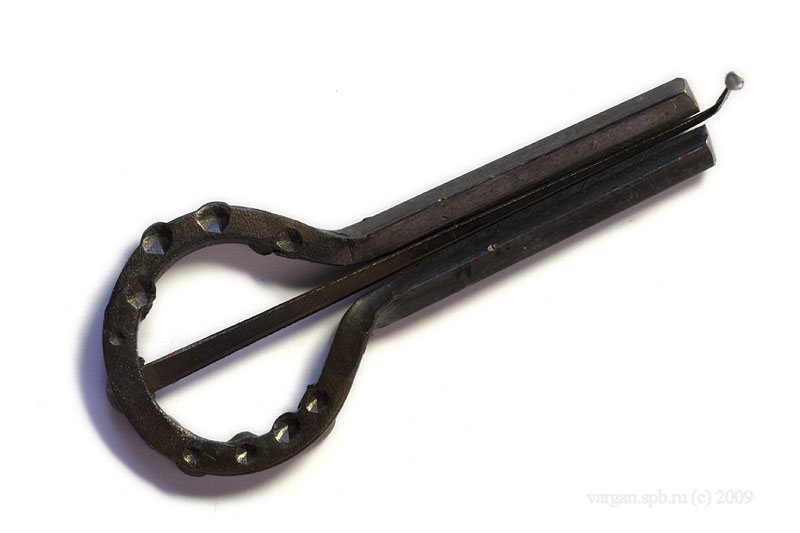
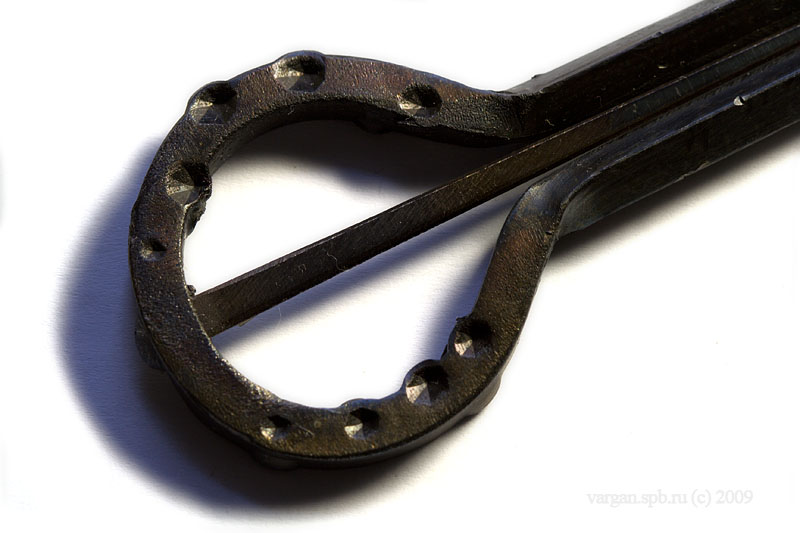
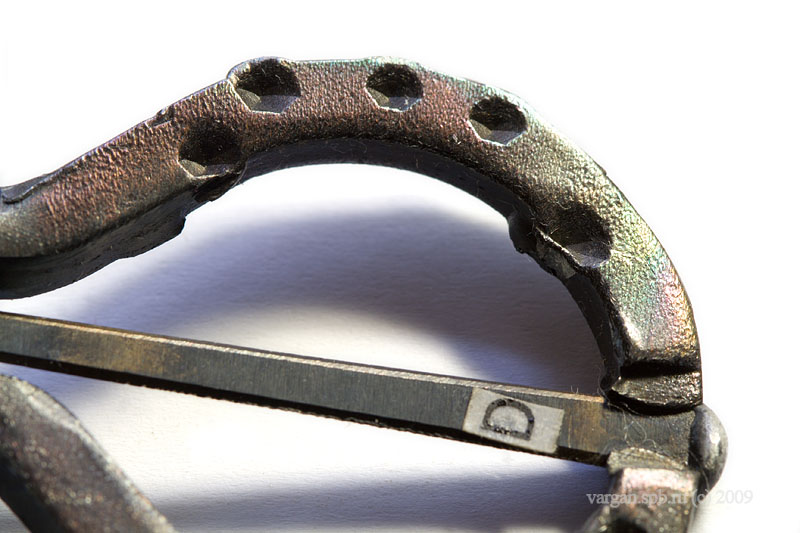
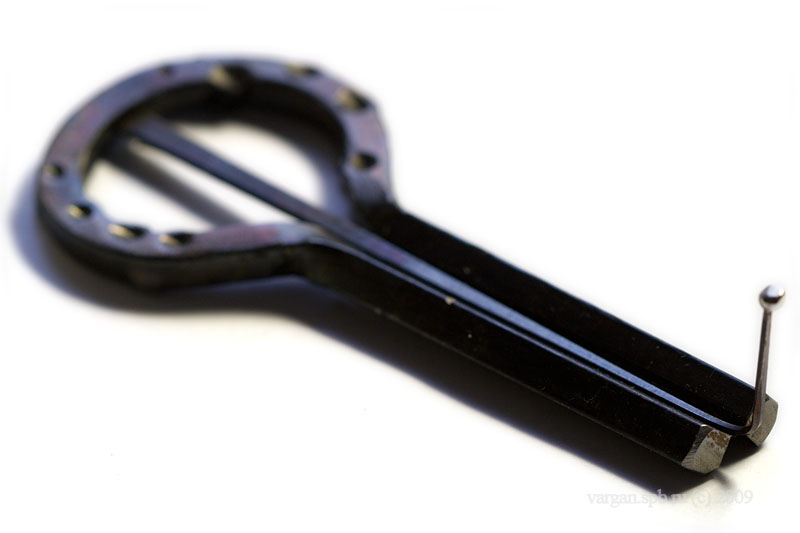
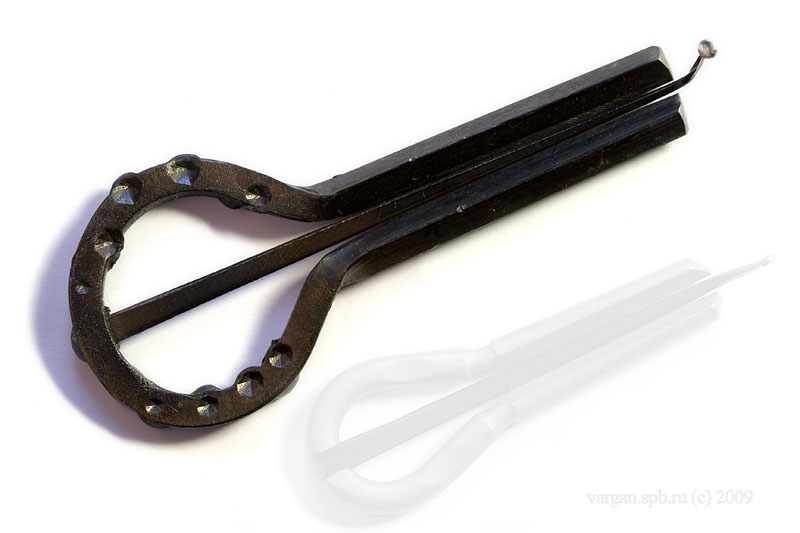
The Hungarian jaw harp "Stone Tunguska" with a frame, apparently dotted with fragments of the Tunguska meteorite, is on a par with medium-frequency universal dorombas with pronounced sharp overtones and excellent handling.
Full description ↓ Archived model (?)Sound example
Instrument passport
Description
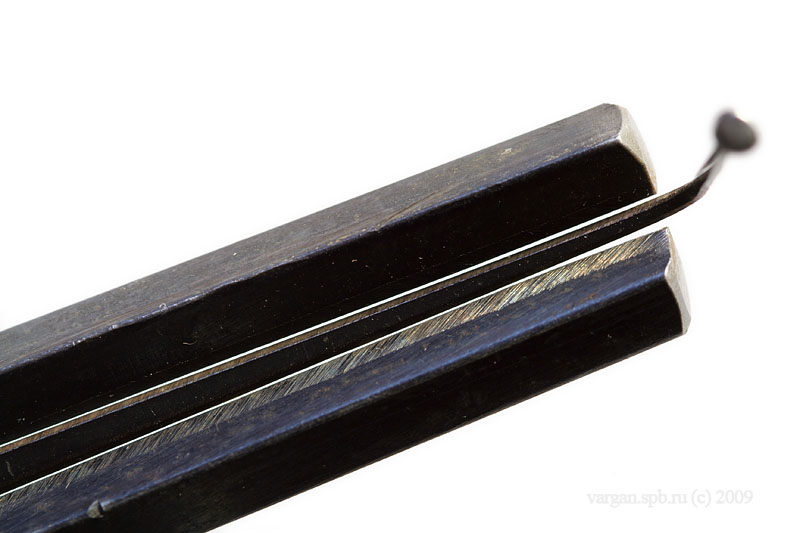
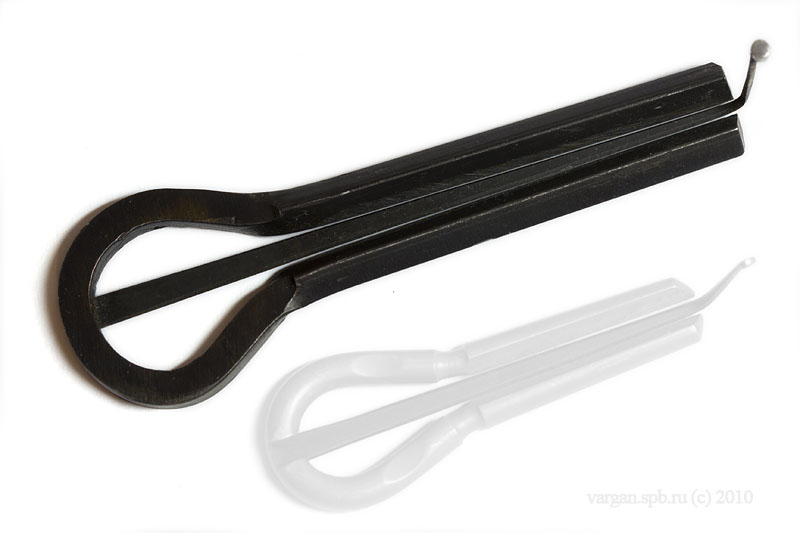
The Hungarian jaw harp "Stone Tunguska" with a frame, apparently dotted with fragments of the Tunguska meteorite, is on a par with medium-frequency universal dorombas with pronounced sharp overtones and excellent handling. The distinctive features of this model are the sound itself - clear, piercing, crackling-vibrating, and responsiveness characteristics. The instrument is loud; hard (by 4 points out of 5) the reed disposes to intense play, perfectly withstanding both strong beats and high tempo. With active use, Tunguska gives a rich set of well-distinguished timbral variations and provides ease in driving dynamics. Slow play looks less intense structurally, as rare sounds with a sharp attack do not have time to fill the entire space.
The dorombus received its name in honor of the river in Siberia, also called the Middle Tunguska, where the disaster of 1908 occurred, which destroyed the forest on an area of 2000 km2 and made the sky shine for several days on the territory from the Atlantic to central Siberia.
See. equally kandahar. Bendeguz.
The dorombus received its name in honor of the river in Siberia, also called the Middle Tunguska, where the disaster of 1908 occurred, which destroyed the forest on an area of 2000 km2 and made the sky shine for several days on the territory from the Atlantic to central Siberia.
See. equally kandahar. Bendeguz.