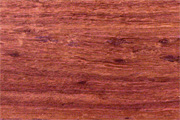
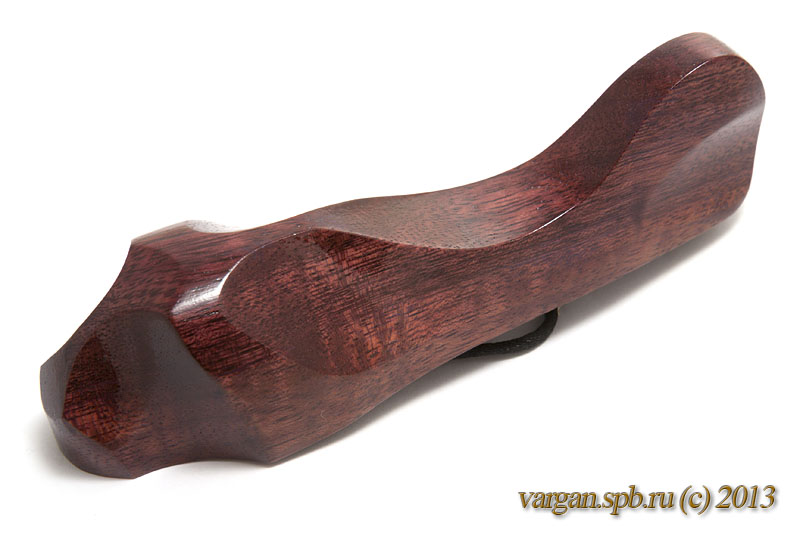
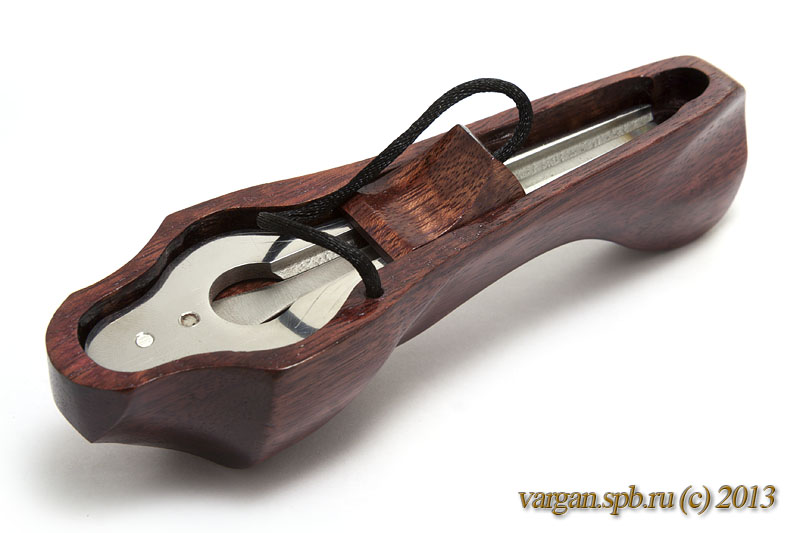
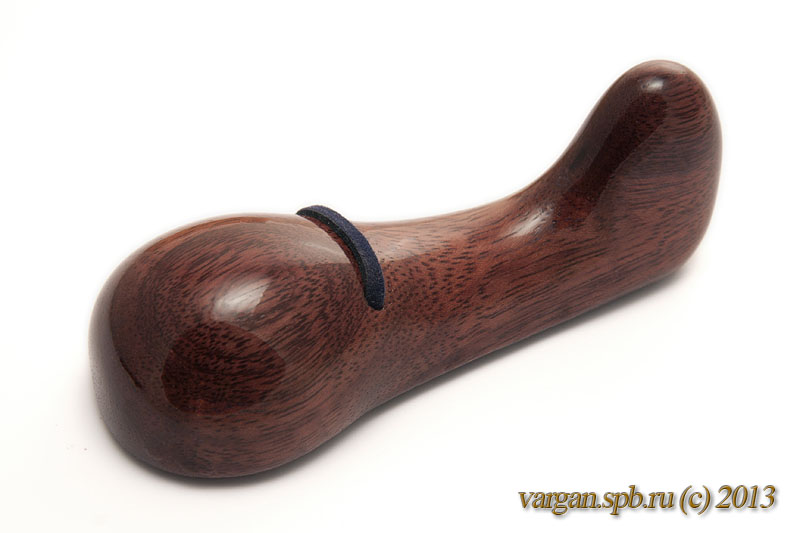
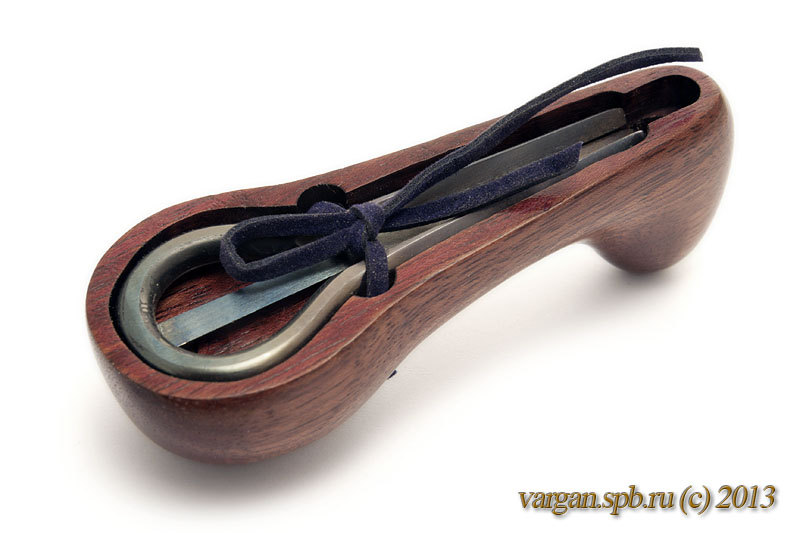
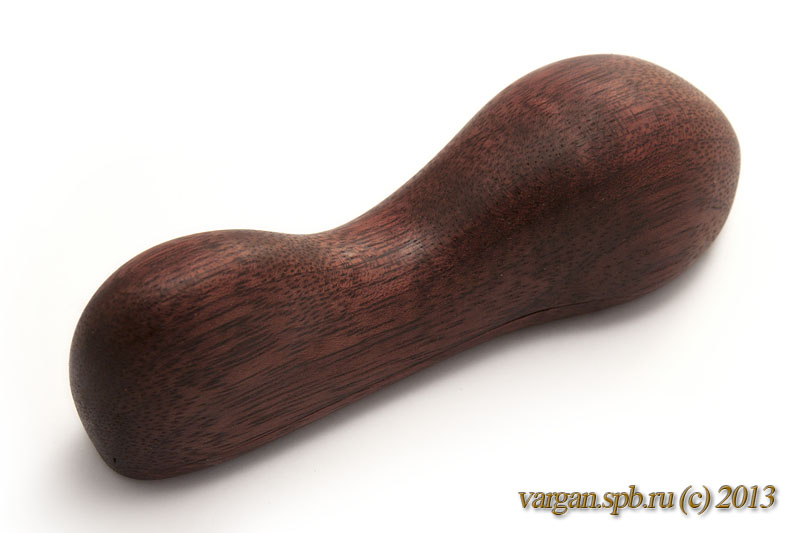
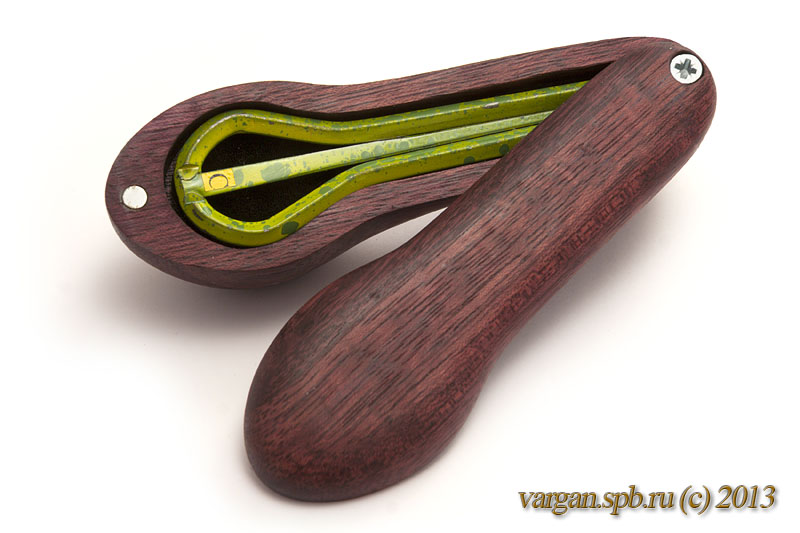
Amaranth (Peltogyne spp) is common in the tropical zone of America - from Mexico through Central America to southern Brazil in South America. The swamp is sharply separated from the core, which is most often recognized by an unusual coloring: grayish-purple on a fresh cut, in the process of oxidation it becomes purple-purple or thick-purple. Gradually, the purple color disappears, and the wood acquires a beautiful dark brown color. This coloring is only superficial - when even a thin layer of wood is removed, the original color is restored and stored until a new oxidation.
The uniform texture of wood varies in size from small to medium. The fibers are usually straight, rarely squishy, but always uneven, erratic, which, combined with the variability of shine and coloring, creates a beautiful striped pattern on radial cuts. The density of wood varies, but the average is 880 kg/m3 in the dry state. Hardness coefficient ~ 7.6 (according to Monnin). Amaranth has an exceptional ability to withstand dynamic loads and strong stresses. The wood is very resistant.