

 lowhigh
Thai Qhue
The Tai Ku workshop, known in Vietnamese as Thái Khuê, is a family workshop run by Phạm Hồng Thái and Đỗ Thị Khuê in Hanoi. It makes rare musical instruments used by many of Vietnam’s ethnic groups. Jaw harps became one of its principal areas of work, with most of the instruments being sent abroad.
By 2006, the workshop had already been making and selling instruments for several decades and employed about thirty people. Its craftspeople studied traditional đàn môi and gradually improved their construction. By 2012, Phạm Hồng Thái had been researching and making these instruments for more than ten years.
The name đàn môi literally means “lip instrument.” Vietnam’s ethnic groups also use various regional names for the jaw harp: roding among the Jarai, toung among the Koho and Maa, then among the Bahnar, guat among the Roglai, hoen toong among the Tai, pang teu ing among the Muong, and rab ncas among the Hmong.
In central Vietnam, people play the jaw harp for their own enjoyment, while among the Hmong it has long been used as a means of communication between lovers. Brass from artillery and cartridge cases left in large quantities by American forces during the Vietnam War was used for the workshop’s metal instruments.
The workshop continues to develop the traditional đàn môi design and create new variations of the instrument. In 2025, Phạm Hồng Thái said that he hoped his son would continue this work in the future.
Video filmed by Trần Quang Hải at Tien’s house outside Hanoi on 17 July 2010.
You can thank maker or musician just pressing the "Thanks" button or writing in special topic in forum. All messages will be delivered to addressee
108
Works in the catalogue 31
lowhigh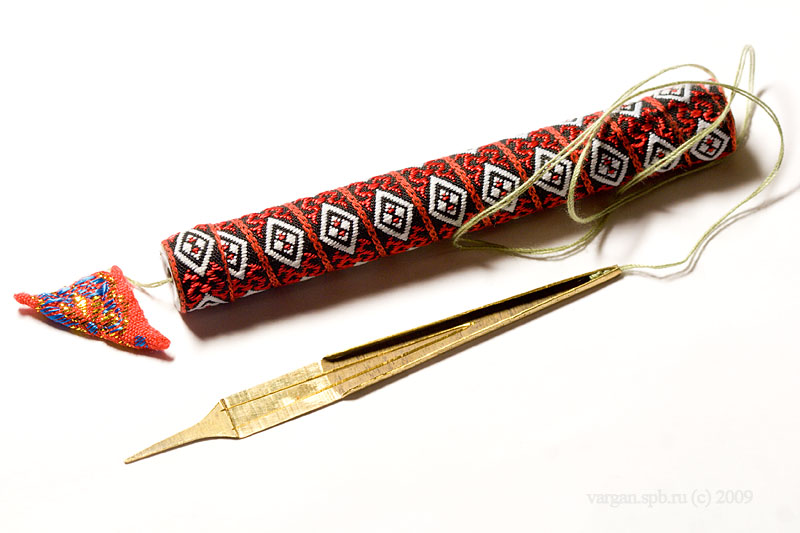 lowhigh
TK13
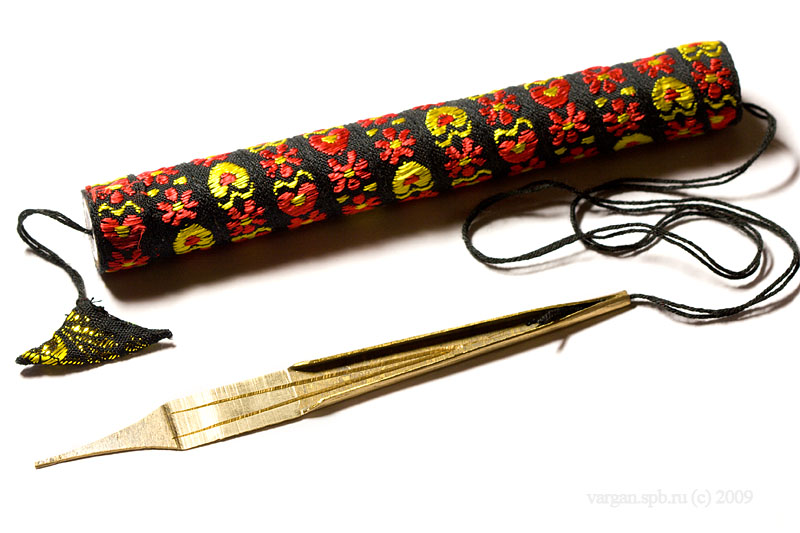
"Ma" Dan Moi
8,22 USDTK13 dan moi has medium sound pitch among the lamellar Vietnamese jaw harps; long and thin "nose" facilitates…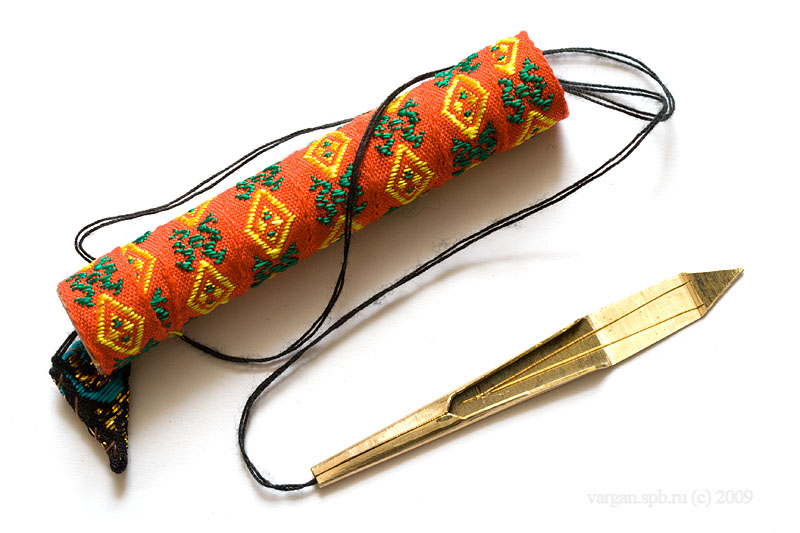 lowhigh
 lowhigh
TK16
"Ka" Dan Moi
10,96 USDBass dan moi with very short touching tip gives most "rigid" feeling from playing, comparing to other lips TK…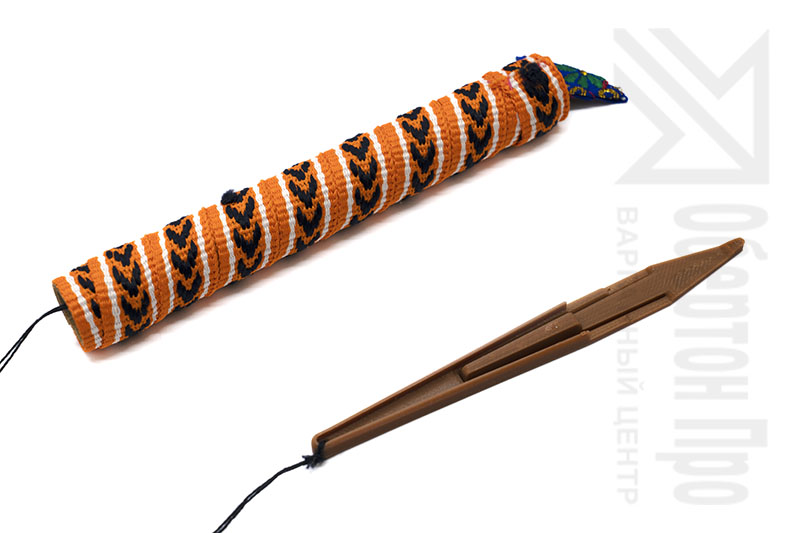 lowhigh
TK1522
"Chay" Dan Moi
5,48 USDThe "children's" version—mine—is made of plastic, without external corners or edges.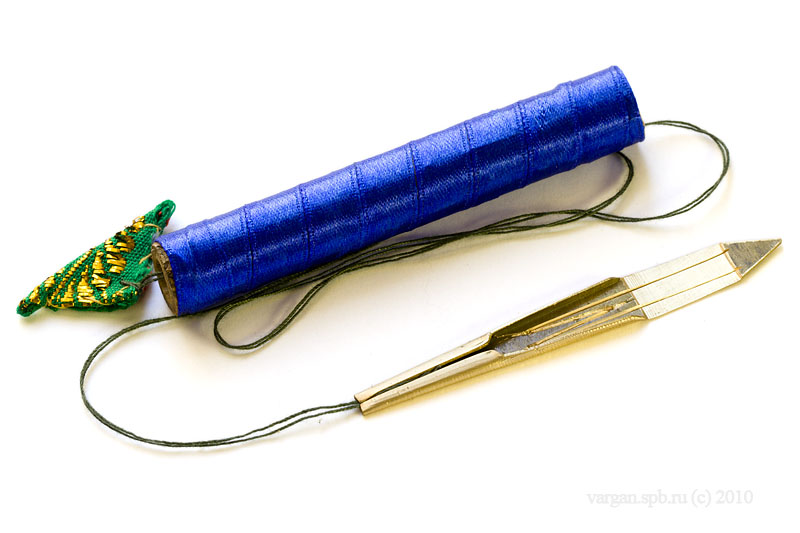 lowhigh
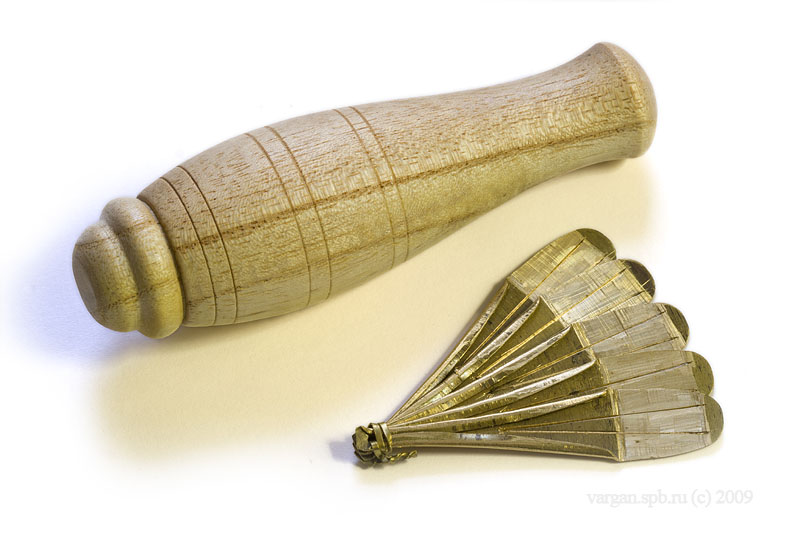 lowhigh
TK205
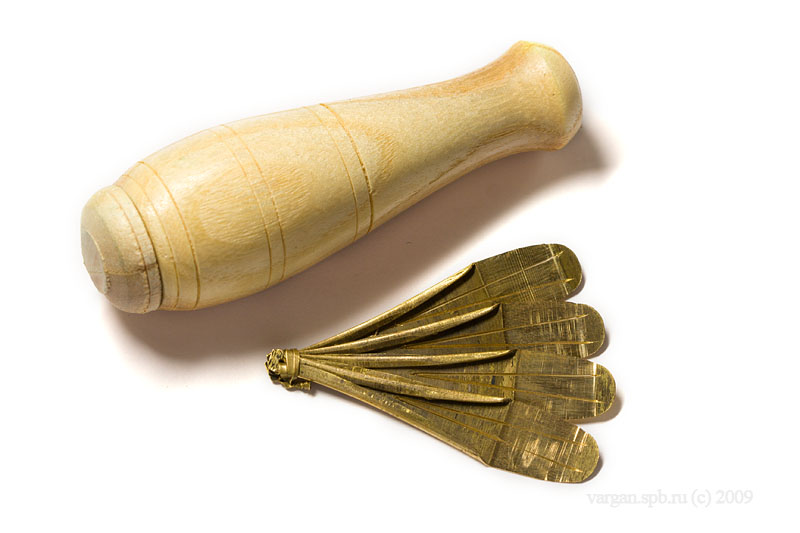
Quintuple Kou-Xiang
16,44 USDThis is one of the most unusual and far from the traditional jaw harp musical instrument.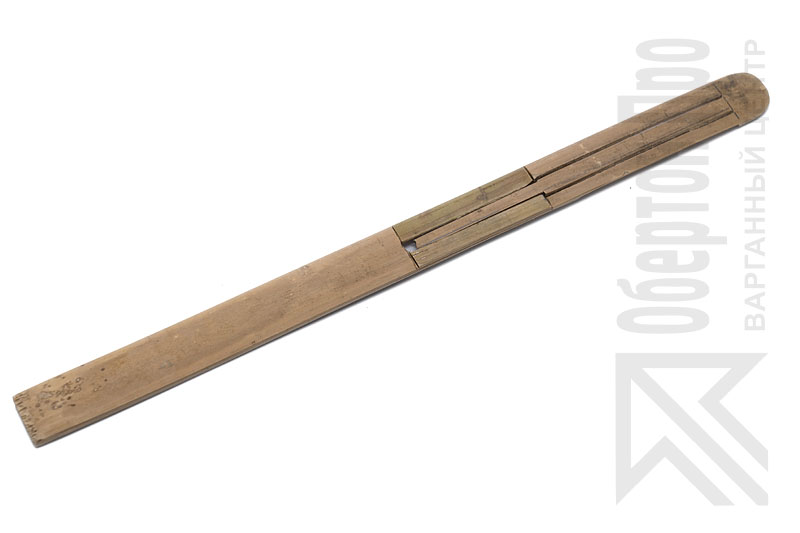 lowhigh
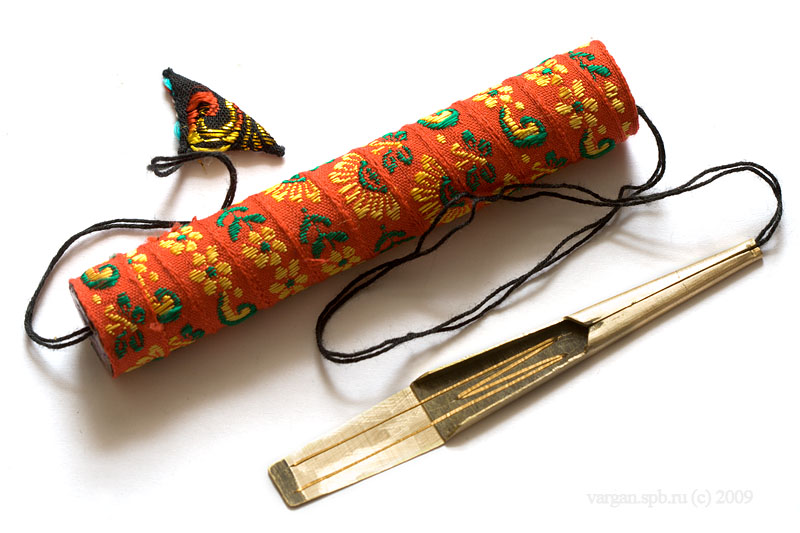
TK1383
"Gam" Dan Moi
9,59 USDBamboo jews harp with very big gaps, quiet and thud sound with typical for this kind of instruments…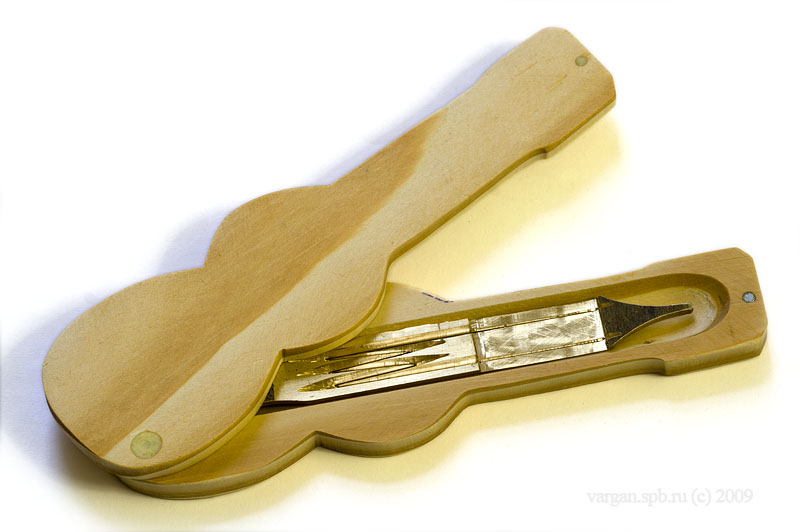 lowhigh
 lowhigh
TK25
Quadruple Kou Xiang
14,38 USDThis is one of the most unusual and far from the traditional jaw harp musical instrument.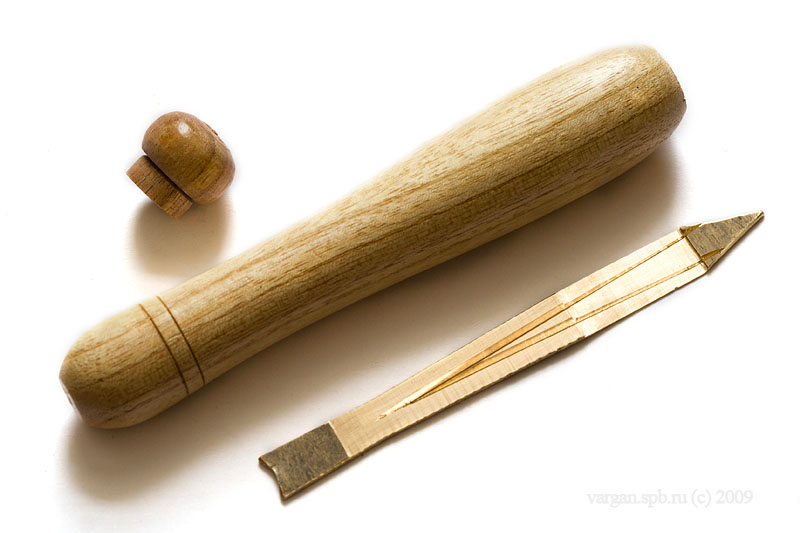 lowhigh
TK17
"Duong" Dan Moi
13,01 USDLips jaw harp based on thicker plate providing intermediate sensitivity between thin dan moi and typical teeth…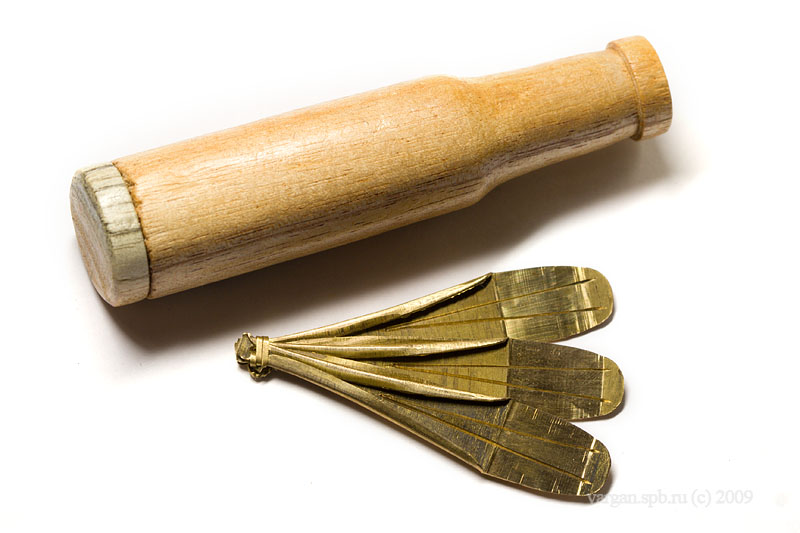 lowhigh
TK24
Triple Kou Xiang
12,33 USDThis is one of the most unusual and far from the traditional jaw harp musical instrument.Archived models35
 lowhigh
TK345
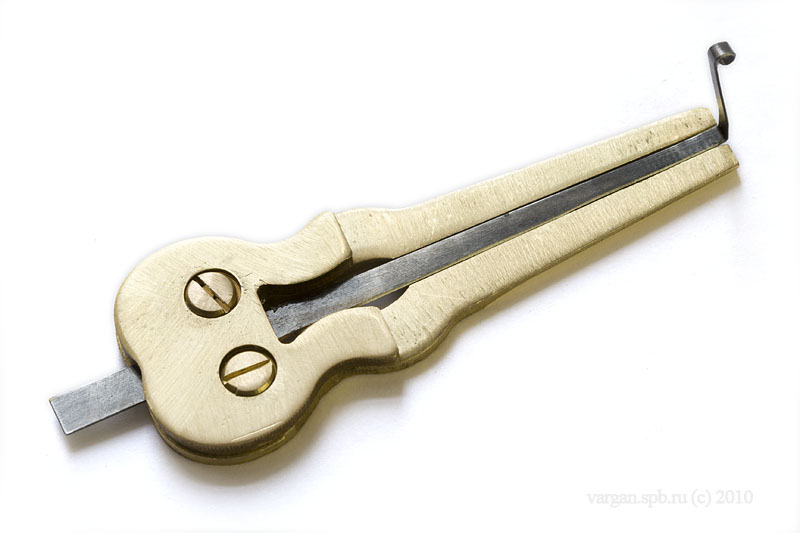
"Bau" Jew's Harp
Archived modelLow quality jaw harp with loud low, pseudo-bass sound and dirty, mechanical timbre.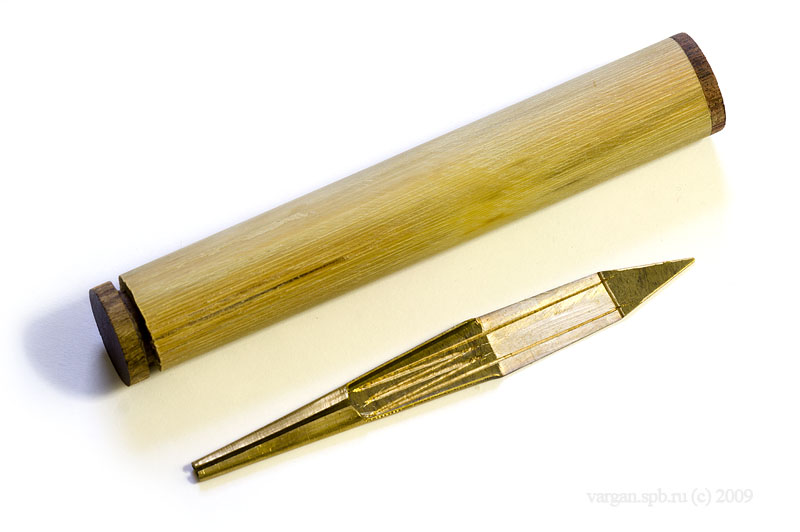 lowhigh
206
Triple-Reed Dan Moi
Archived modelThe most bassish of the thin plate jaw harps, the triple-reed dan mine has a relatively low and deaf primary…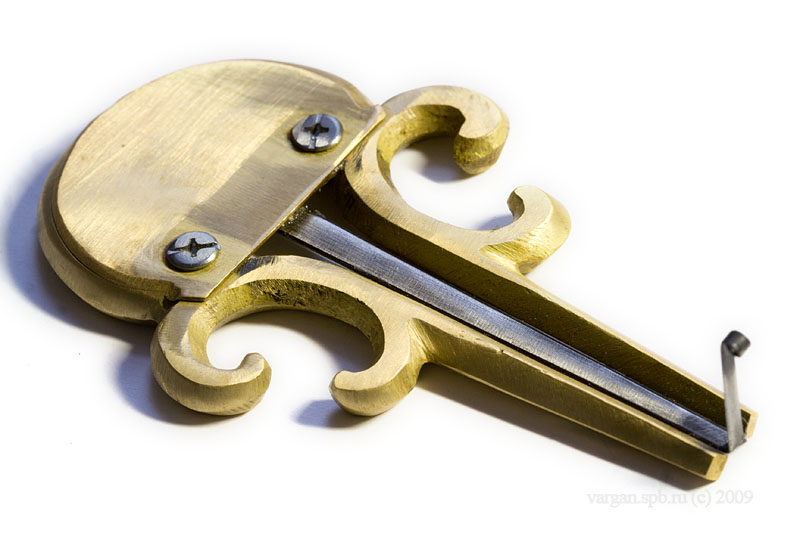 lowhigh
TK65
"Tri An" Jew's Harp
Archived modelLow quality jaw harp with loud sound and dirty, mechanical timbre.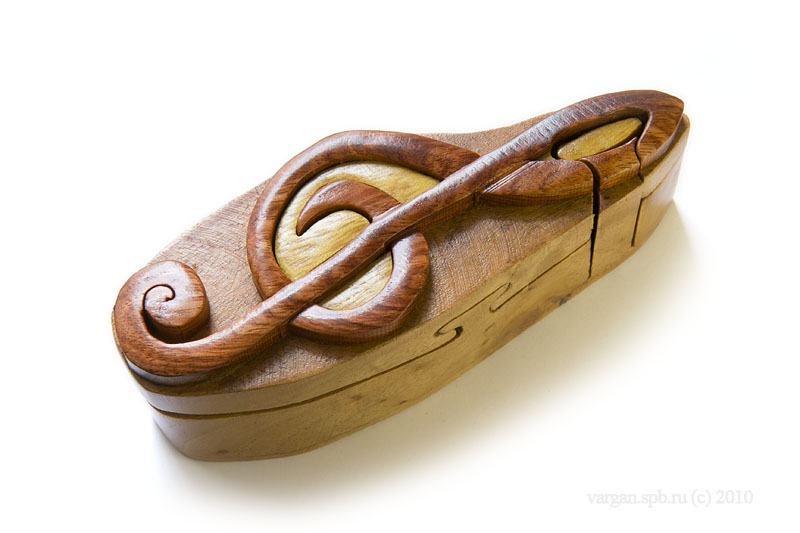
344
Treble Clef
Archived modelCase-casket "Violin key" of valuable woods with volumetric inlay mosaic (technique marquetry XVI century).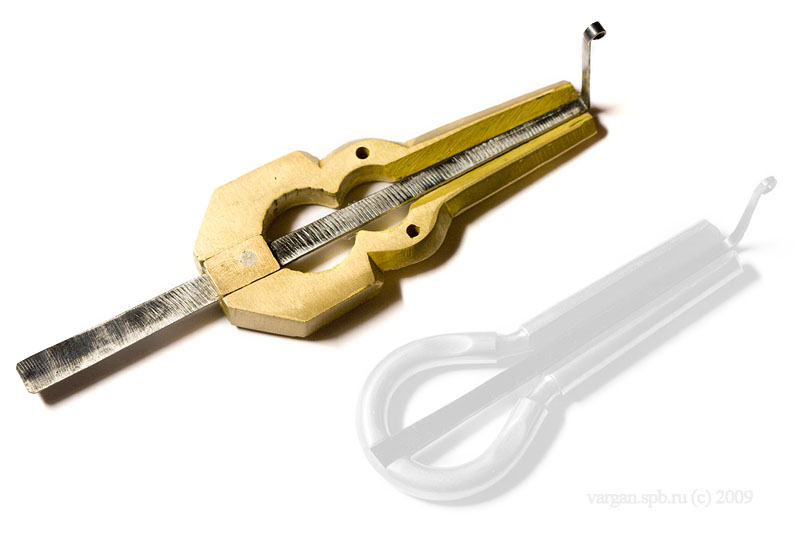 lowhigh
TK21
"Thi Vai" Jew's Harp
Archived modelLow quality jaw harp with hight pitched loud sound, hard reed and dirty, mechanical timbre.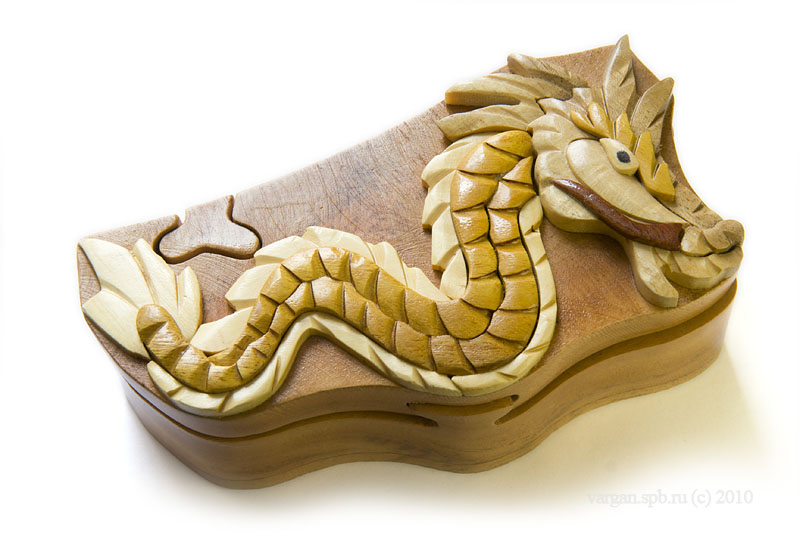
329
Dragon
Archived modelCase-casket "Dragon" of valuable wood with volumetric inlay mosaic (technique marquetry XVI century).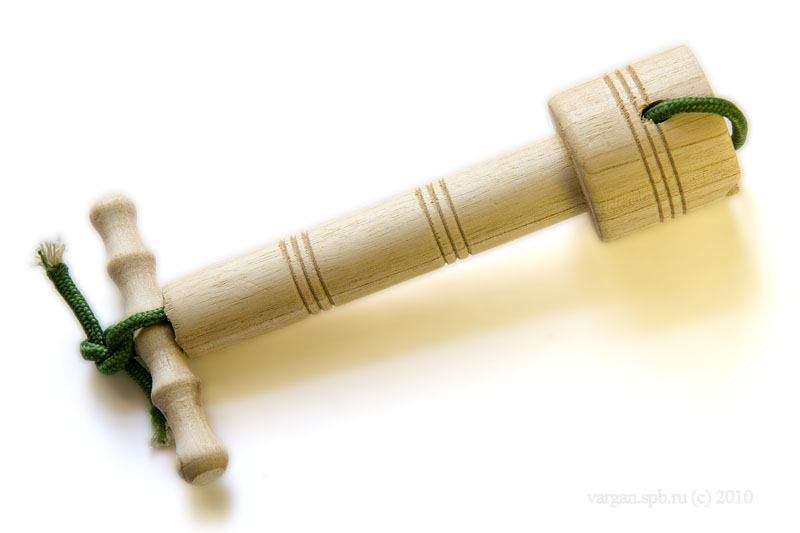
302
Medium Holder
Archived modelThe wooden handle is designed for more convenient holding of the jaw harp, which is rigidly attached to it by…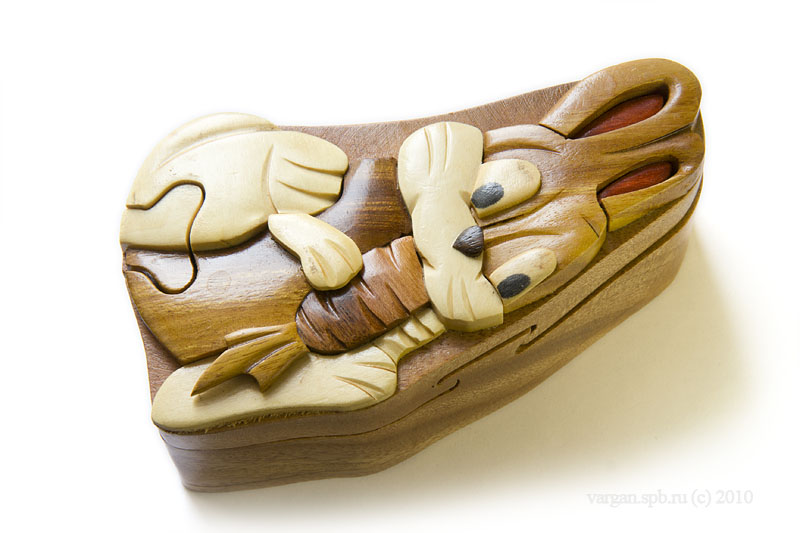
343
Carrot Eater
Archived modelCase-casket "Baby" of valuable wood with volumetric inlay mosaic (technique marquetry XVI century).
339
Jaw Harp
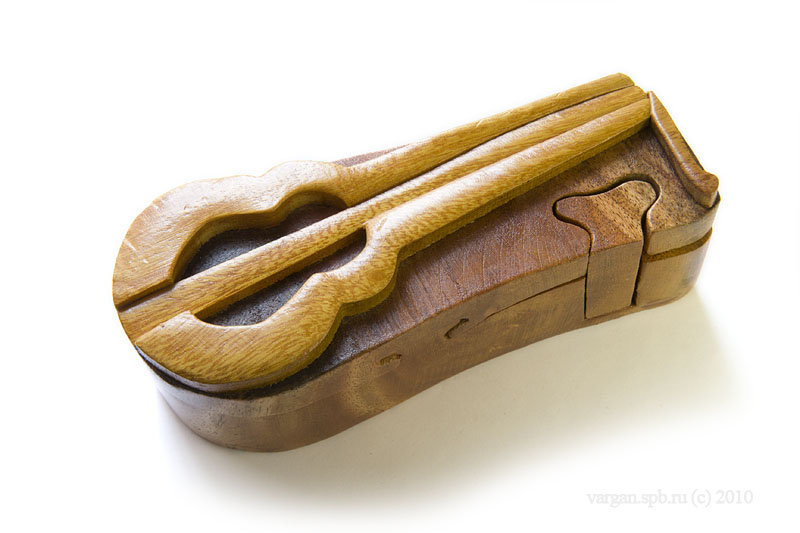
Archived modelCase-casket "jaw harp" of valuable wood with volumetric inlay mosaic (technique marquetry XVI century).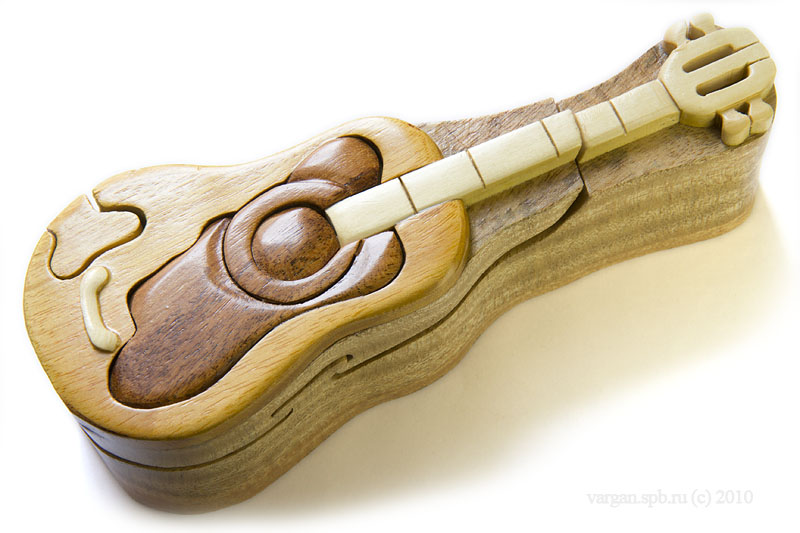
327
Guitar
Archived modelCase-casket "Guitar" of valuable wood with volumetric inlay mosaic (technique marquetry XVI century).
301